Sports / U.S. model
2025 BMW M3 Review
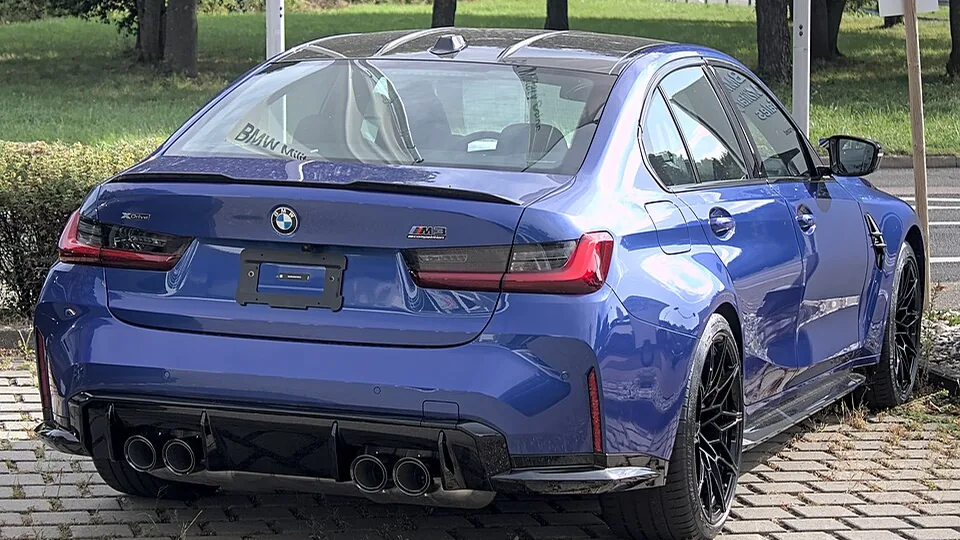
The M3 puts real performance hardware in a four-door sedan. The manual version and the more powerful automatic models serve notably different buyers.
Specifications
| Body Style | Four-door performance sedan |
|---|---|
| Engine / Powertrain | 3.0-liter twin-turbo inline-six |
| Horsepower | 473 hp base; 503 hp Competition; 523 hp Competition xDrive |
| Torque | 406 lb-ft base; 479 lb-ft Competition and xDrive |
| Fuel Economy | 16 city / 23 highway / 19 combined mpg (manual) |
| Transmission | 6-speed manual (base) or 8-speed automatic (Competition) |
| Drivetrain | RWD or M xDrive AWD |
| Seating | 5 |
| Cargo Space | Approximately 13 cu ft trunk |
| Starting MSRP | $76,000 (base M3, before destination) |
Overview
The 2025 M3 has three meaningful configurations, which divide neatly according to the way you drive. The base sedan keeps a six-speed manual and rear-wheel drive. The Competition uses an eight-speed automatic and a stronger engine tune. The Competition M xDrive adds all-wheel drive and, for 2025, another increase in rated power. All three retain four doors and an ordinary trunk, which makes everyday questions about seating, ride and tire choices more relevant than they would be for a dedicated two-seat car.
BMW refreshed the headlights and updated the cabin's technology for the model year. Those are useful context on a used listing, but the biggest purchase decision remains which gearbox and driven wheels serve you.
Performance & Fuel Economy
The 3.0-liter twin-turbo inline-six produces 473 horsepower in the six-speed manual. BMW rates the rear-drive Competition at 503 horsepower and Competition xDrive at 523. The automatic's torque handling and gearing support a different driving character. The manual's appeal depends on how much you enjoy choosing each gear and how much of your week you spend in traffic.
The EPA lists the regular manual sedan at 19 mpg combined. That is less frugal than a regular compact luxury sedan and consistent with the M3's higher-performance engine and tires. Research the equipment around the engine, particularly available braking systems and wheel dimensions. Day-to-day replacement costs can make those options more consequential than one headline horsepower change.
Interior, Comfort & Technology
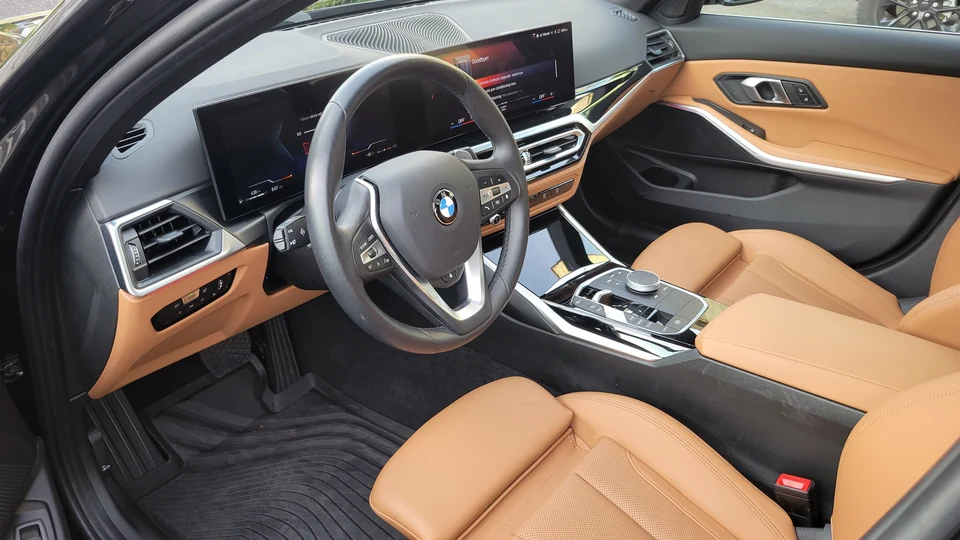
The M3 shares the advantages of a four-door body with less focused BMW sedans. Rear-seat entry is practical, and the trunk is useful for ordinary luggage. Try the available carbon bucket seats separately from the regular sport seats. Higher side supports can improve location in the seat but are likely to make repeated entries more awkward. For shared use, each regular driver should try getting in and changing the full set of adjustments.
BMW's curved display puts a configurable instrument screen and infotainment in the same band across the dash. There are shortcut controls for key M settings. Work through the order in which you normally start, choose your navigation and change a temperature before deciding the interface is comfortable.
Safety & Driver Assistance
BMW offers collision and lane-related support features, with broader highway or parking functionality available according to the specific equipment. Use the VIN build information to distinguish what a car actually includes. Options can change from one otherwise similar Competition to another. A good rear camera and proximity feedback are useful given the width of the front and rear wheel arches.
Remember that AWD changes the way power reaches the ground. It does not remove the need for suitable tires or sensible driving in the conditions where traction is low. If you intend to drive through winter, compare the factory wheel and tire setup with cold-weather options before deciding to rely on the car for daily travel.
Verdict: Who Should Buy It
The base M3 is the obvious starting point for a buyer who wants a manual sports sedan. Rear-drive Competition suits drivers who prefer automatic shifting and want more engine output without the xDrive cost. Choose xDrive where added traction and the 2025 power increase are practical priorities, and check how the tires support those goals.
Most of the M3's utility comes from its body and cabin. A deliberately configured car with the more comfortable seat for your body and ordinary active features may see more use than a higher-spec build purchased for its numbers. The strongest argument for the M3 is that the performance does not require a separate car for passengers and luggage.
Pros and cons
Pros
- Manual transmission on the entry M3
- Usable four-door body and trunk
- Three clear drivetrain and power choices
Cons
- Running costs reflect performance tires and brakes
- Optional bucket seats may complicate daily access
- Manual excludes the Competition power levels and AWD
Trim levels and pricing
| Trim | U.S. MSRP | Key equipment |
|---|---|---|
| M3 | $76,000 | 473-hp engine, manual gearbox and rear-wheel drive |
| M3 Competition | $80,200 | 503 hp and an eight-speed automatic with rear-wheel drive |
| M3 Competition M xDrive | $85,300 | 523 hp and an all-wheel-drive system |
Frequently asked questions
Can I get an all-wheel-drive manual M3?
No. BMW pairs the six-speed manual with rear-wheel drive. The M xDrive version uses the eight-speed automatic.
Did every 2025 M3 gain power?
No. The 523-hp rating applies to 2025 Competition M xDrive. The manual and rear-drive Competition are rated at 473 and 503 hp.
Does the M3 still have a usable trunk?
Yes. Its regular sedan body has a conventional trunk and rear-door access.