Trucks / U.S. model
2025 Ford F-150 Review
The F-150 covers a wide range of work and family needs through different cabs, beds and engines. The important comparison is between the trucks with the weight ratings and dimensions you need.
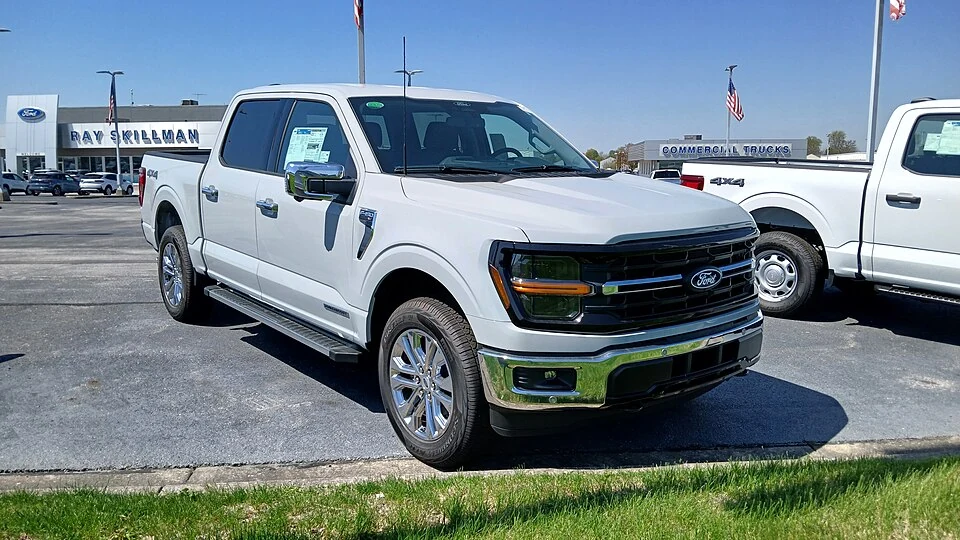
Specifications
| Body Style | Full-size light-duty pickup |
|---|---|
| Powertrain | Gasoline turbo V6, gasoline V8 and PowerBoost hybrid options |
| Power | 325–430 hp across the mainstream engines |
| Transmission | 10-speed automatic |
| Drivetrain | RWD or 4WD by configuration |
| Seating | Up to 6, depending on cab and seats |
| Bed Lengths | 5.5, 6.5 or 8 feet, depending on cab |
| Maximum Towing | 13,500 lb when properly equipped |
| Maximum Payload | 2,440 lb in the applicable configuration |
| Starting MSRP | $37,450 for the listed XL regular cab |
Overview
The 2025 F-150 makes truck shopping deceptively complicated. Ford sells one nameplate across work models with a regular cab, family-oriented SuperCrew trucks, luxury grades and specialist off-road versions. On a lot, the cheapest available truck and a well-equipped family version may have little in common beyond the shape of the grille. Start by defining the cab, bed and drive system, then compare the available engine and package choices. Ford's wide selection is helpful for shoppers with a precise payload or garage constraint. It also means a price comparison based on trim names alone can send you to a truck that will not fit in the driveway or accommodate the gear you normally carry.
Performance & Fuel Economy
Ford offers a 325-horsepower 2.7-liter EcoBoost, a 400-horsepower 3.5-liter EcoBoost, a 400-horsepower 5.0-liter V8 and the 430-horsepower PowerBoost hybrid among the main powertrain choices. A ten-speed automatic does transmission duty. Ford publishes up to 13,500 pounds of towing for a properly configured 3.5-liter EcoBoost F-150. That rating describes a particular combination of equipment and does not apply to every F-150 with the same engine. Compare tow ratings using the trailer's loaded weight and the selected cab and axle ratio. Then make sure the door-jamb payload label leaves capacity for people, gear and hitch weight. The engine decision becomes easier after the actual towing job has been defined.
Interior, Comfort & Technology
In a SuperCrew, rear-seat space is a major reason to pick an F-150 over a midsize truck. The wider body is also a disadvantage if you use narrow parking stalls. Measure mirror-to-mirror clearance at home and the available length with a garage door closed. Ford offers several bed sizes, so compare the interior of the bed with the sheet goods, bikes or secured tool storage you plan to carry. Trucks equipped with Pro Power Onboard add power outlets that can help at a worksite or campsite. Available generator output depends on the specific equipment. If you expect to run something more demanding than a battery charger, confirm the rated output and outlets on the vehicle itself.
Safety & Driver Assistance
Driver-assistance and trailering equipment can change the driving experience more than a nostalgic preference for one engine. Use the truck's camera views to see a painted line alongside the rear wheel, then ensure the same screen is easy to interpret in poor light. If you expect to back up trailers regularly, compare how the available trailer assistance works with your trailer and its setup requirements. BlueCruise availability and terms differ by grade and equipment, and system support relies on compatible roads and operating conditions. Whether you choose driver aids or a simpler work grade, the selected truck still needs mirrors and tire ratings that suit the load and environment where you plan to use it.
Verdict: Who Should Buy It
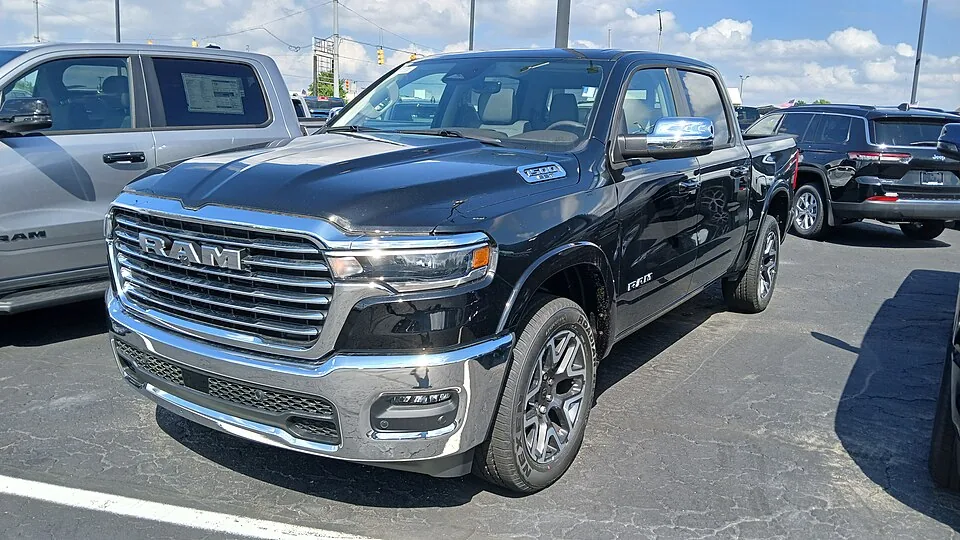
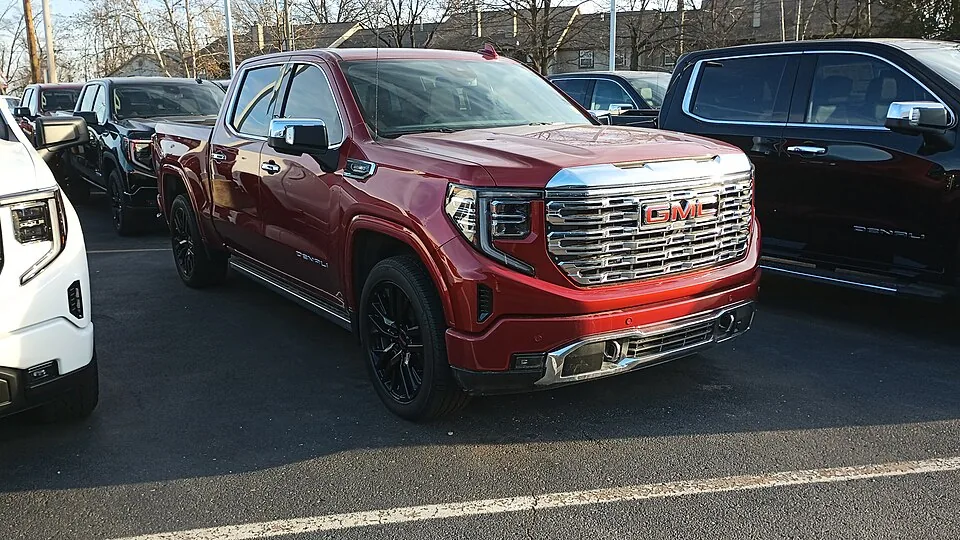
The XLT is a practical starting point for a crew cab that doubles as family transport. An XL with a different cab can bring the price down, but a longer bed, optional four-wheel drive and towing equipment can change the total. The PowerBoost deserves a look when onboard power supports work you otherwise need a generator for. A GMC Sierra or Silverado offers a light-duty diesel alternative, and a Ram 1500 is useful for a comparison focused on ride and cab comfort. Choose this Ford when you need an unusually specific configuration. Take the time to match the truck to your constraints, because the strengths of one F-150 do not carry over automatically to another.
Pros and cons
Pros
- Wide range of cab, bed and powertrain choices
- Pro Power Onboard available on selected configurations
- Strong maximum tow rating with the correct equipment
Cons
- Body dimensions can be a challenge in garages
- Advertised maximum tow ratings describe specific configurations
Trim levels and pricing
| Trim | U.S. MSRP | Key equipment |
|---|---|---|
| XL 2WD Regular Cab 8-ft bed | $37,450 | Work-oriented configuration with a long bed |
| XLT 2WD SuperCrew 5.5-ft bed | $48,055 | Roomy crew cab with a shorter overall footprint |
| Lariat 2WD SuperCrew 5.5-ft bed | $59,560 | Upgraded cabin in a four-door configuration |
| Raptor 4WD SuperCrew 5.5-ft bed | $79,005 | Off-road tuning and four-wheel drive |
Frequently asked questions
How much can a 2025 F-150 tow?
Ford publishes up to 13,500 pounds with a specifically equipped 3.5-liter EcoBoost F-150. Look up the rating for the exact configuration.
Does PowerBoost need to plug in?
No. PowerBoost is a conventional full-hybrid powertrain. Ford's independently marketed F-150 Lightning is a battery-electric truck.
Can I buy a long bed with every cab?
No. Ford's bed offerings depend on cab, trim and drivetrain. The eight-foot box is a regular-cab configuration.