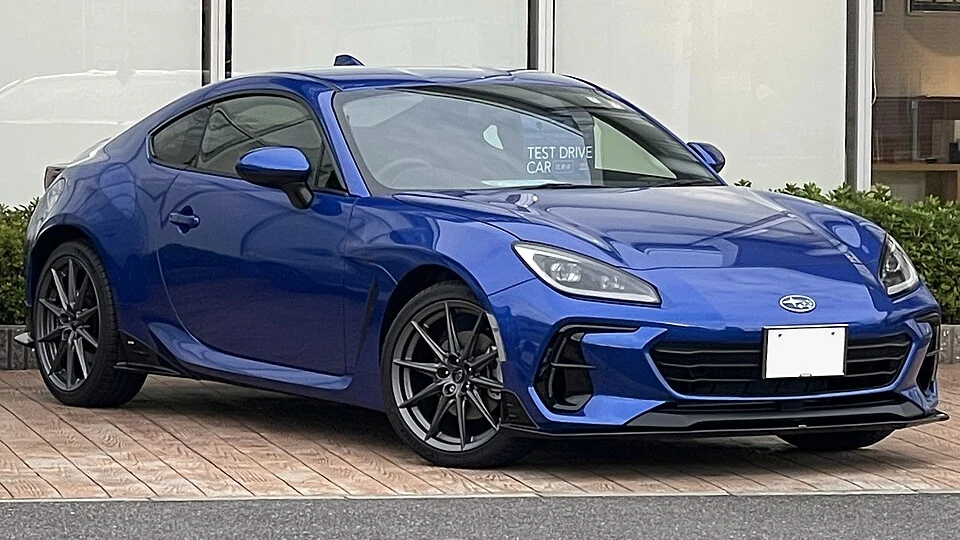
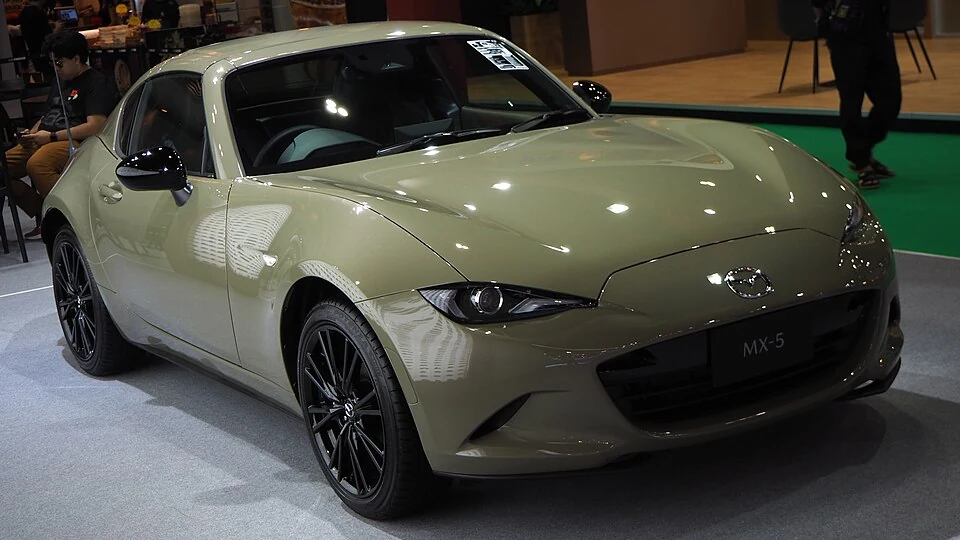
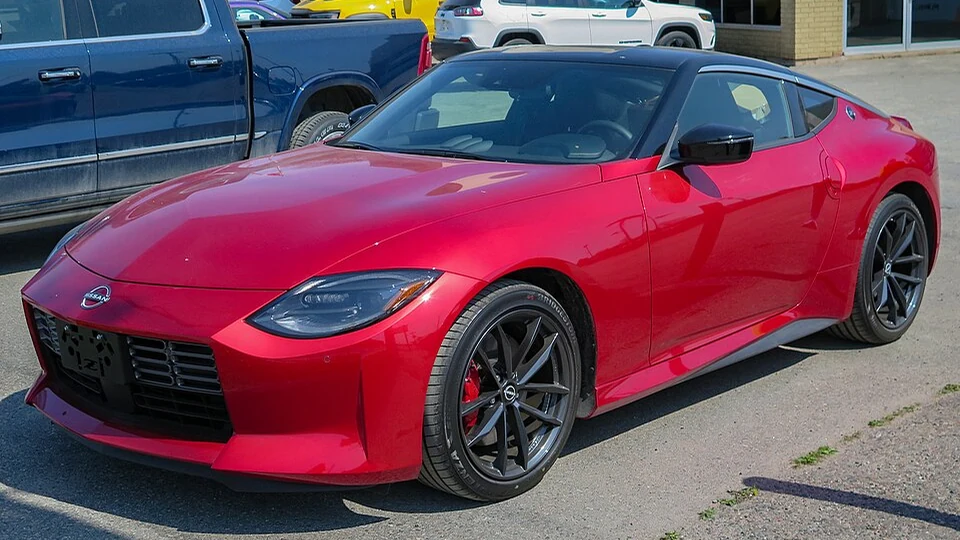
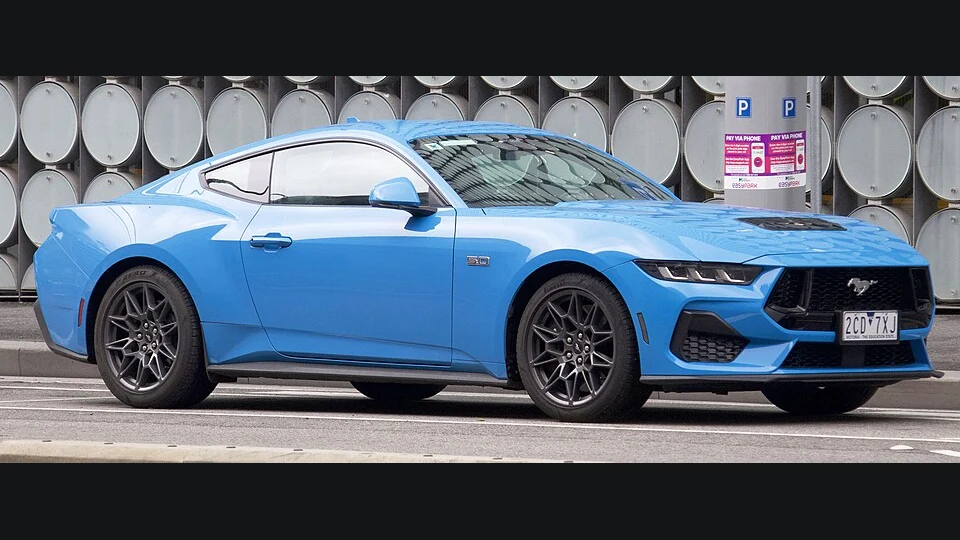
Sports / U.S. model
2025 Toyota GR86 Review
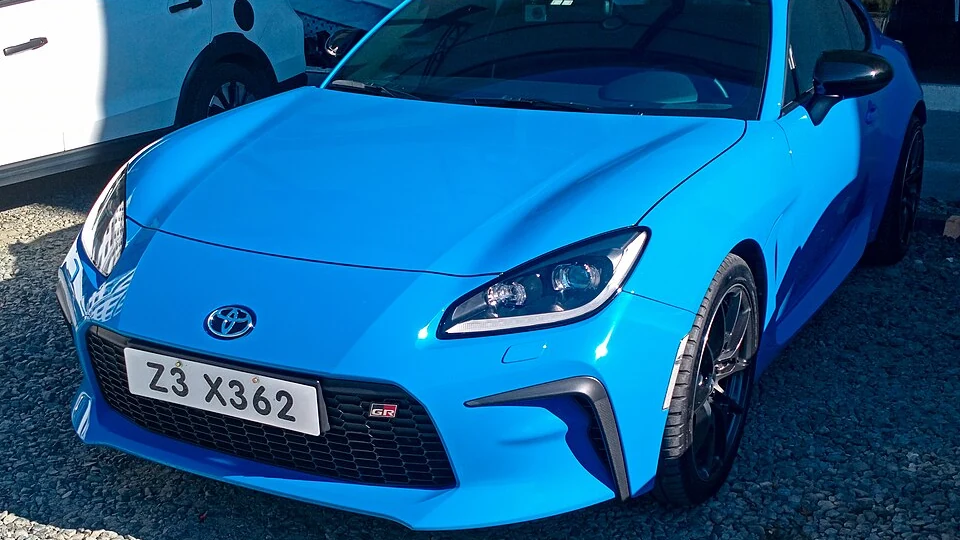
The Toyota GR86 is a rear-drive coupe with a lightweight focus and a choice of two transmissions. Its folding rear seats make it more useful than the seating alone suggests.
Specifications
| Body Style | Compact sports coupe |
|---|---|
| Engine / Powertrain | 2.4-liter naturally aspirated flat-four |
| Horsepower | 228 hp |
| Torque | 184 lb-ft |
| Fuel Economy | 20 city / 26 highway / 22 combined mpg (manual) |
| Transmission | 6-speed manual or 6-speed automatic |
| Drivetrain | RWD |
| Seating | 4 nominal |
| Cargo Space | 6.26 cu ft trunk with seatbacks up |
| Starting MSRP | $30,400 (base manual, before destination) |
Overview
Toyota's GR86 is a compact rear-drive coupe with a simple range. The 2025 model has one naturally aspirated engine, a choice of manual or automatic transmission and a standard limited-slip rear differential. Most buyers will encounter base and Premium versions. The limited Hakone edition adds distinctive trim and hardware built from the Premium grade. It is worth considering as its own configuration, especially if the asking price moves well beyond the regular car's.
The dimensions are a major part of the purchase. The GR86 is smaller than a Mustang and uses the rear seats mostly to provide flexibility. Those seats and a separate trunk allow the Toyota to serve some daily needs that are awkward in a two-seat roadster.
Performance & Fuel Economy
The 2.4-liter boxer engine produces 228 horsepower and 184 pound-feet, with torque reaching its rated peak at 3,700 rpm. The naturally aspirated design rewards using the gears as road speed changes. Toyota lists a 20 city, 26 highway and 22 combined EPA estimate for the manual. An automatic can reach 25 mpg combined in its published rating and makes sense if a household shares the car with someone who prefers two pedals.
A limited-slip rear differential is standard regardless of gearbox. The base model's smaller wheels and tires appeal to buyers thinking about replacement cost and the character of ride on imperfect pavement. Premium gets larger wheels and higher-performance summer tires. Choose according to actual roads and climate.
Interior, Comfort & Technology
Toyota fits a low driver's seat and a straightforward dashboard with a central infotainment display. It is worth adjusting the seat and wheel before taking any moving test. A long-legged driver who fits well may find the compact space useful, while someone who gets in and out repeatedly might care more about the door opening and sill height. The back seats are best considered occasional extra room for passengers or useful interior space for bags.
The trunk measures 6.26 cubic feet with the rear seatbacks up. Folding them down makes more space for things like wheels or longer equipment that can pass through the opening. Try the items you actually use, because there is less height to work with than the nominal volume suggests.
Safety & Driver Assistance
Toyota supplies forward collision and lane-related assistance on 2025 GR86 configurations, with exact features and other equipment varying by trim or transmission. Verify the system's settings and notifications on the specific car. A correct understanding of the rear view and steering-wheel controls makes the assistance more useful as a driver moves between traffic, parking and day-to-day errands.
The important ownership check for a Premium is its tires. Summer tires can work well in the conditions for which they are designed and may not be suitable for cold-weather use. Budget for an appropriate seasonal setup if needed. Buyers should confirm the original equipment and condition on a used car, since tires and wheels may already have been changed.
Verdict: Who Should Buy It
Start with the base manual if you want the core layout and prefer the lower entry price. The Premium adds cabin and exterior upgrades and combines them with a tire choice that should suit your location. The automatic is worth trying if you share the car or spend many hours in slow commuting traffic. Its purchase is separate from selecting appearance packages.
A GR86 works best when the driver genuinely prefers its dimensions and likes carrying speed smoothly through a sequence of ordinary turns. Buyers who need rear-seat room or expect strong acceleration without downshifting may prefer a larger car. The Toyota makes good use of its modest price and basic dimensions.
Pros and cons
Pros
- Standard limited-slip rear differential
- Two gearboxes available with the same boxer engine
- Folding rear seat increases versatility
Cons
- Rear seat is small for passengers
- Premium summer tires may need a separate winter setup
- Highway cargo and cabin space are modest
Trim levels and pricing
| Trim | U.S. MSRP | Key equipment |
|---|---|---|
| Base MT | $30,400 | 228-hp boxer engine, six-speed manual and 17-inch wheels |
| Base AT | $31,500 | Six-speed automatic with base equipment |
| Premium MT | $33,000 | Cabin and appearance upgrades, 18-inch wheels and summer tires |
| Premium AT | $34,100 | Premium equipment paired with the automatic |
Frequently asked questions
Is the GR86 turbocharged?
No. The 2025 GR86 uses a naturally aspirated 2.4-liter flat-four.
Can the GR86 handle a long item in the trunk?
The rear seatbacks fold to provide more load length. Check the opening and interior clearance with the specific item.
Does the automatic lose the limited-slip differential?
No. Toyota lists the rear limited-slip differential with either transmission.