Hybrids / U.S. model
2025 Toyota Prius Review
The Prius LE combines a useful hatch with up to 57 mpg combined and a relatively low entry price. Toyota's bigger wheels and new Nightshade styling change the case for the higher grades.
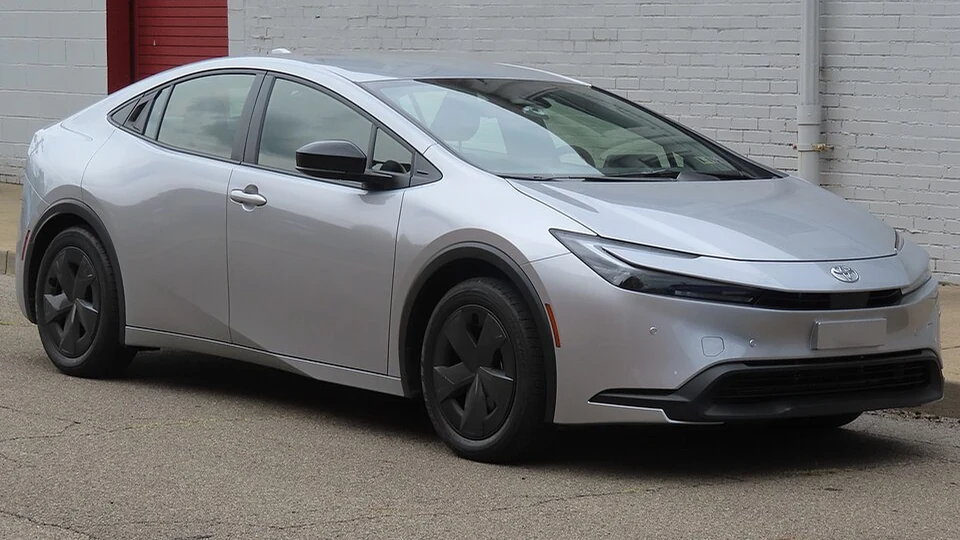
Specifications
| Body Style | Compact hybrid liftback |
|---|---|
| Powertrain | 2.0-liter four-cylinder with Toyota hybrid system |
| Horsepower | 194 hp FWD; 196 hp AWD |
| Fuel Economy | Up to 57 mpg combined FWD; 54 mpg LE AWD |
| Transmission | Electronically controlled continuously variable transmission |
| Drivetrain | FWD or electronic on-demand AWD |
| Seating | 5 |
| Cargo Space | 23.8 cu ft in LE; 20.3 cu ft in upper grades |
| Starting MSRP | $28,350 |
Overview
The Prius takes a useful approach to affordable fuel savings. It pairs a gasoline-electric drivetrain with a low hatchback body, allowing a driver without an outlet to get through a busy commuting week on very little fuel. The LE earns up to 57 mpg combined in front-drive form. The number is especially relevant to anyone who spends most of the time around town and expects to keep the car for years.
Toyota adds a Nightshade grade based on the XLE for 2025. Its dark trim, 19-inch wheels and available Karashi exterior paint change the styling and equipment choice, while the underlying hybrid remains familiar. Start with the LE's price, cargo and mileage if discretion is the goal. Then decide which extra features would actually make the car easier to use through summer and winter.
Performance and Fuel Economy
The 2.0-liter engine and electric motors deliver 194 combined horsepower in front-drive versions and 196 with AWD. The extra driven axle brings more benefit on slippery surfaces than the two-horsepower difference suggests. The LE AWD is rated at 54 mpg combined. Larger-wheel grades earn lower figures, so selecting AWD and stepping up from LE can each affect how far a gallon goes.
The standard Prius has no requirement to plug in. It generates electricity from the engine and recovers some energy during deceleration. That is an easy fit for street parkers. It is worth comparing the separately named plug-in model if inexpensive charging is available at home or work. The conventional car's appeal is strongest when the owner wants mileage improvement without adding a charging routine.
Interior and Technology
The Prius hatch is useful for groceries, outdoor gear or a couple of carry-on bags, especially on the LE with 23.8 cubic feet behind its rear seats. The upper grades have 20.3 cubic feet in the published comparison. The shallow, sloping rear glass makes the dimensions of a load as important as the total available volume. Bring your largest regular item if the car will replace a square-backed hatch.
The driver looks forward to a high instrument display. The steering wheel can affect its visibility, so adjust both seat and wheel together on a test drive. Toyota offers a 12.3-inch screen on eligible configurations, with a smaller standard display. Also try the rear seat at your usual front seating position. The low roof profile means taller passengers can find the center-to-side transition tight.
Safety and Driver Assistance
Toyota Safety Sense 3.0 is standard and includes frontal collision assistance, adaptive cruise and lane-related functions. Blind-spot warning and rear cross-traffic alert are useful when backing out between larger vehicles. Equipment coverage changes by feature and grade, so confirm available parking support from the actual car's specification and ask to try the controls before relying on them.
The shape of the Prius makes judging its rear corners different from an upright compact SUV. On a demonstration drive, check rear visibility while merging and while reversing toward a low object. If you frequently drive unplowed roads, consider tire grip, ground clearance and local conditions alongside the AWD option. AWD helps traction on suitable surfaces, but the Prius remains a low compact car.
Verdict: Who Should Buy It
Choose the LE FWD if you mainly want a quiet, efficient commute and a practical rear hatch. LE AWD retains much of the efficiency and makes sense for owners regularly dealing with slippery starts. XLE and Limited are better candidates if cabin features such as upgraded seating or displays are important. Nightshade is primarily an appearance choice and should be priced as such.
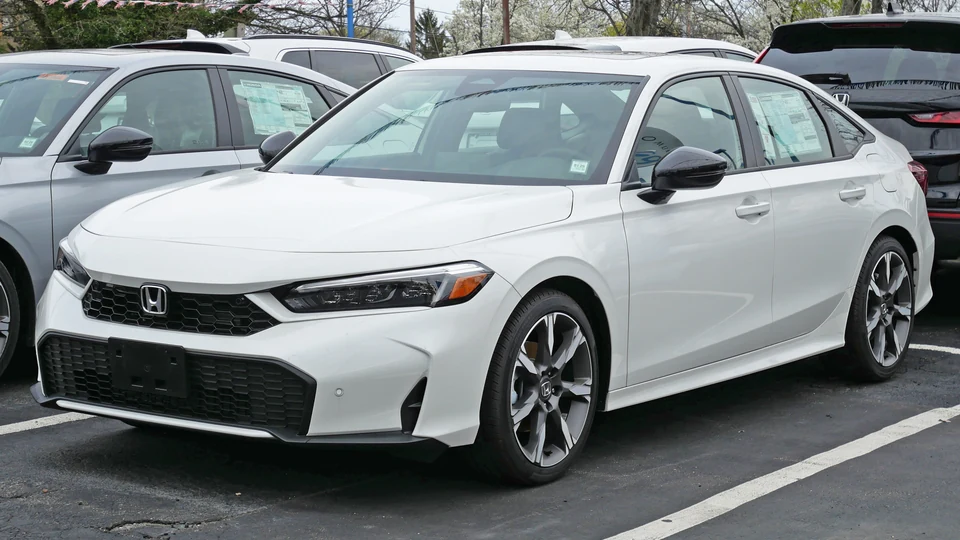
The Civic Hybrid is worth a comparison when rear-seat space and a more conventional driving position rank higher. The Prius still makes a distinctive case through its available AWD, liftgate and exceptional LE fuel economy. Before choosing, load the bags you commonly carry, sit in the rear and verify the exact size of wheel installed on the trim you are pricing.
Pros and cons
Pros
- LE FWD earns 57 mpg combined
- AWD is available across the grade range
- Overall usefulness of a liftgate
Cons
- Low roof can reduce rear headroom
- Upper grades trade away some fuel economy and cargo volume
Trim levels and pricing
| Trim | U.S. MSRP | Key equipment |
|---|---|---|
| LE FWD | $28,350 | 17-inch wheels and the highest combined fuel economy rating |
| XLE FWD | $31,795 | 19-inch wheels and upgraded comfort features |
| Nightshade FWD | $32,495 | XLE-based grade with black trim and an available exclusive color |
| Limited FWD | $35,365 | Top front-drive grade with additional premium cabin equipment |
Frequently asked questions
Do you plug in the 2025 Toyota Prius?
No. The regular Prius is a conventional hybrid. Toyota sells the plug-in separately.
Which 2025 Prius gets 57 mpg combined?
The front-wheel-drive LE is rated up to 57 mpg combined.
Can you buy a 2025 Prius with AWD?
Toyota offers its electronic on-demand AWD system on every 2025 grade.