Sedans / U.S. model
2025 Lexus ES Review
The Lexus ES offers a quiet long-distance sedan with three distinct powertrains. The V6 suits drivers who want stronger passing power, while the ES 300h favors economy.
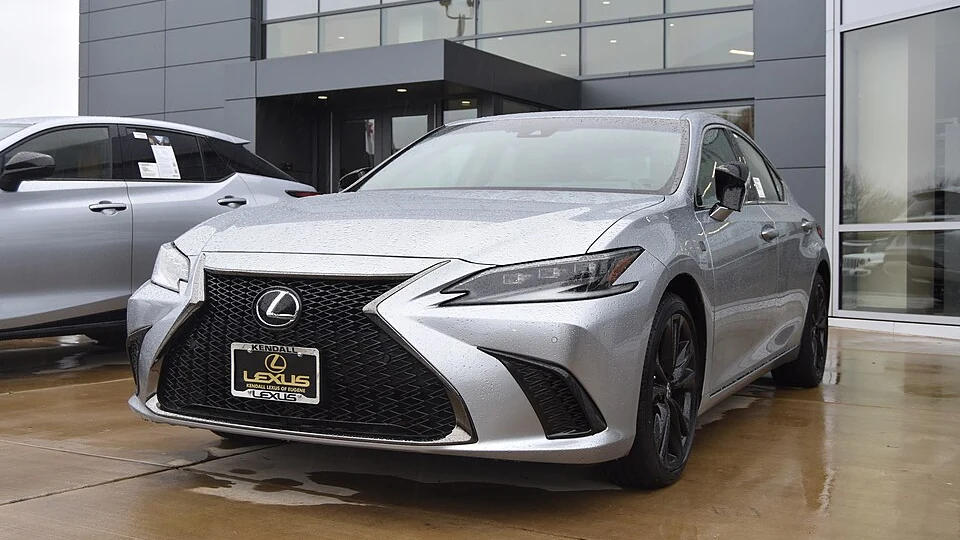
Specifications
| Body Style | Midsize luxury sedan |
|---|---|
| Engine / Powertrain | 2.5-liter gas four, 3.5-liter V6 or 2.5-liter hybrid |
| Horsepower | 203 hp ES 250, 302 hp ES 350, 215 hp ES 300h combined |
| Fuel Economy / Range | 28 mpg combined ES 250, 25 ES 350, 44 ES 300h |
| Transmission | 8-speed automatic (gas) or electronically controlled CVT (hybrid) |
| Drivetrain | All-wheel drive (ES 250), front-wheel drive (ES 350 and 300h) |
| Seating | 5 |
| Cargo Space | 13.9 cu ft in trunk |
| Starting MSRP | $42,040 before destination |
Three ways to order the same quiet sedan
Lexus gives the ES a broad front cabin and an expansive second row. Those traits link all three powertrain choices, so the car works for a household that cares more about comfort and getting passengers settled than about how sharply a steering wheel reacts. The 2025 range has one all-wheel-drive gasoline model, a V6 front-driver and a front-wheel-drive hybrid. Trim names such as Luxury or F Sport indicate another layer of equipment, and the same engine badge appears on several trim grades. Think through the amount of driving you do on winter roads and in town before choosing one. The powertrains are different enough that a decision based solely on paint, mileage or monthly payment could leave you with the wrong version.
The powertrain numbers tell different stories
The ES 250 pairs a 203-horsepower 2.5-liter four with all-wheel drive. The ES 350 sends its 302 horsepower through an eight-speed gearbox to the front wheels. It makes the strongest case for frequent highway passing and drivers who specifically want the character of a naturally aspirated V6. For the ES 300h, the hybrid drivetrain combines a 2.5-liter engine and electric drive for 215 total horsepower. The EPA gives it 44 mpg combined. The comparable ES 350 rating is 25 mpg combined, a material difference if the car will accumulate a high mileage. These figures also reflect the different approaches to an ES ownership budget. The hybrid requires no charging equipment, and the V6 trades some of that economy for greater output.
A rear cabin built for regular passengers
The ES has useful room to stretch out in back, with a lower step-in than many crossovers. Its straightforward layout and available high-grade materials are part of its appeal on longer trips. A larger 12.3-inch screen is available for buyers who want more map area, while the standard touchscreen can be enough if your usual tasks are basic directions and audio. Lexus offers wireless smartphone integration, but try your own phone before choosing the audio or navigation equipment on a used car. The 13.9-cubic-foot trunk matches across the base powertrain choices. Check the loading shape if you carry golf bags, regular airport luggage or a mobility aid. The amount you can bring depends on the depth and opening as well as the published volume.
Comfort equipment and Lexus Safety System
The ES comes with Lexus Safety System+ 2.5, covering several common assistance needs with pre-collision support, adaptive cruise and lane-related aids. Parking aids, camera views and cabin upgrades vary with equipment. A shopper who regularly parks near obstacles should see how a particular car's parking sensors and display behave, not just confirm that it has a rear camera. The F Sport Design and F Sport Handling labels also deserve attention as separate combinations. Check Lexus' equipment table to see which cabin, wheel and chassis items actually come with each. Ride comfort can be part of the distinction. On an older car, inspect tire age and condition before drawing conclusions about how the suspension will feel after you buy it.
When to pick the ES 350 over the 300h
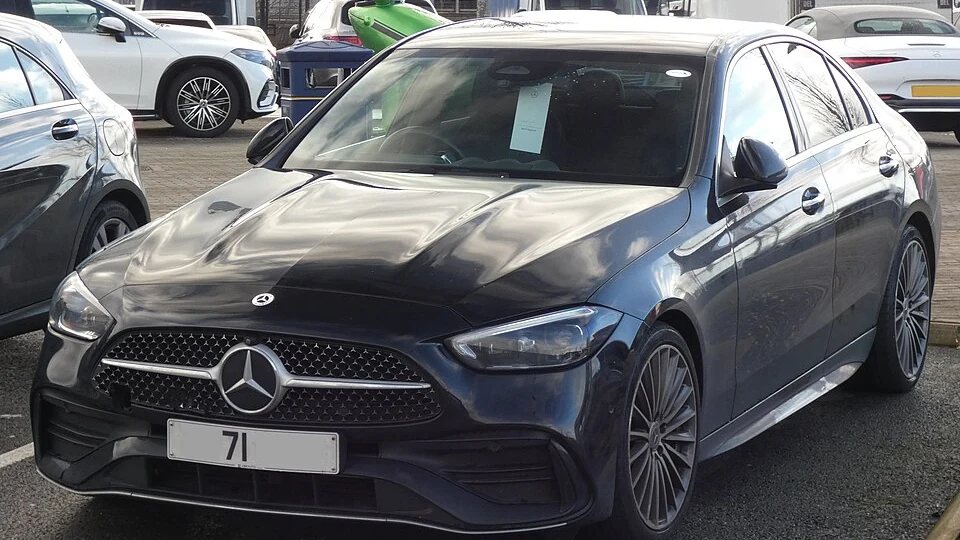
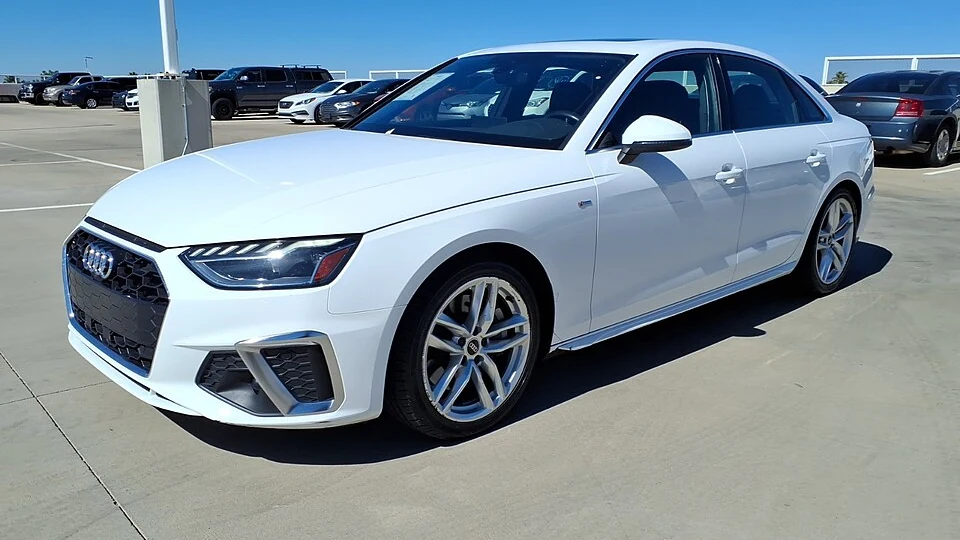
The ES 300h is the logical starting point for a driver who does a lot of city miles or has a long commute with traffic. Its original price premium over the base V6 was relatively small, and high annual fuel use can make that difference easier to justify. The ES 350 should still be on the list if you enjoy the way a V6 responds at highway speeds or find a cleaner example at a strong price. The ES 250 AWD is the one to investigate if all-wheel drive is central to the purchase. A smaller C-Class or 3 Series makes sense as a cross-shop if you would trade rear passenger room for a shorter car and different handling priorities.
Pros and cons
Pros
- Comfortable, spacious rear seating
- 44-mpg ES 300h
- 302-hp V6 ES 350
- AWD available through ES 250
Cons
- Hybrid and V6 are front-drive only
- Trunk smaller than some mainstream midsize sedans
- F Sport equipment requires careful configuration comparison
Trim levels and pricing
| Trim | U.S. MSRP | Key equipment |
|---|---|---|
| ES 250 AWD | $42,040 | 203-hp four-cylinder and all-wheel drive |
| ES 350 | $42,040 | 302-hp V6 and eight-speed automatic |
| ES 300h | $43,440 | 215-hp hybrid system rated at 44 mpg combined |
| ES 300h Ultra Luxury | $52,330 | Hybrid efficiency with upgraded seating and convenience equipment |
Frequently asked questions
Which 2025 Lexus ES has AWD?
The four-cylinder ES 250 AWD is the all-wheel-drive model.
Does the ES 300h plug in?
No. The ES 300h is a conventional hybrid and charges its battery while driving.
What is the 2025 ES 300h's EPA fuel economy?
The EPA lists the ES 300h at 44 mpg combined.