Trucks / U.S. model
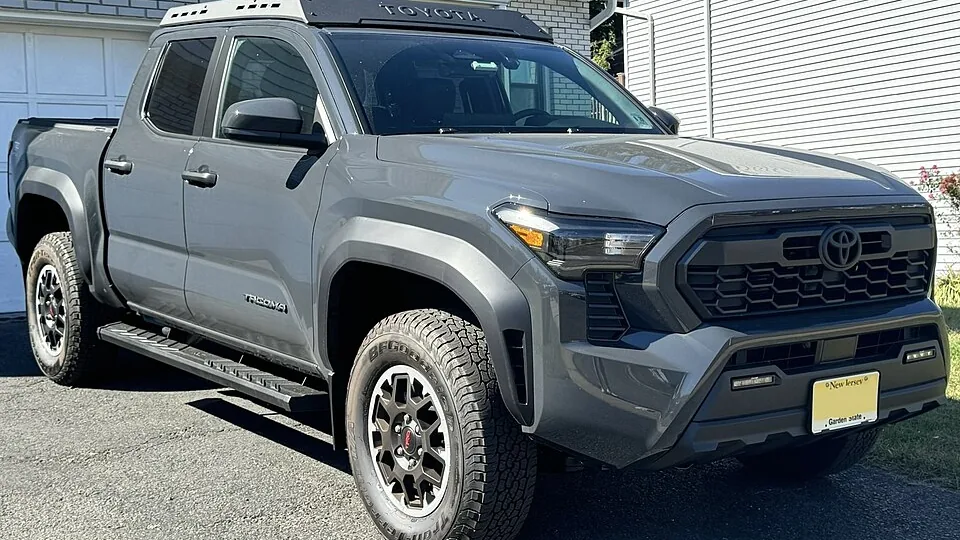
2025 Toyota Tundra Review
The Tundra combines twin-turbo power with multiple cab and bed combinations. Buyers should settle on the truck's actual towing and payload needs before selecting its trim.
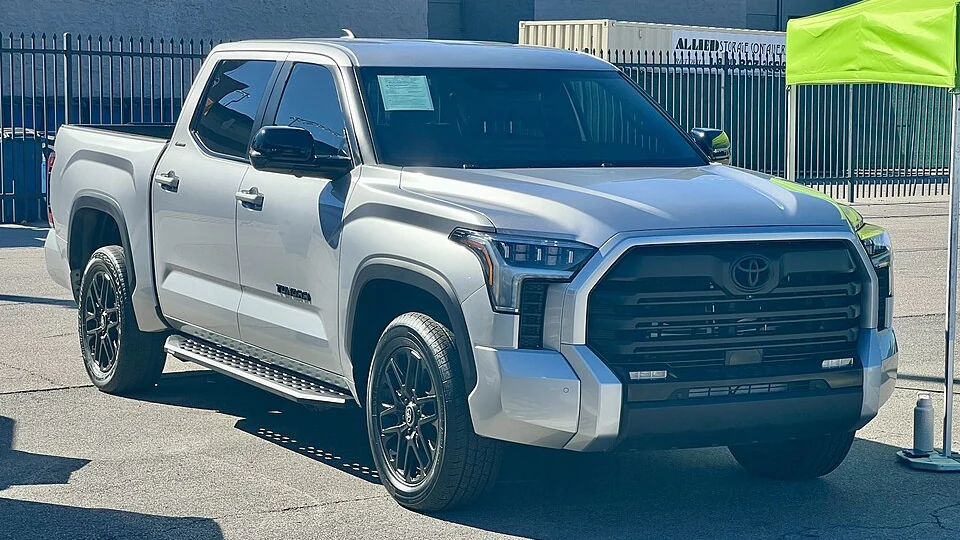
Specifications
| Body Style | Full-size pickup |
|---|---|
| Engine / Powertrain | 3.4-liter twin-turbo V6 (gas i-FORCE) |
| Horsepower | 358 hp (SR); 389 hp (most gas grades) |
| Torque | 406 lb-ft (SR); 479 lb-ft (most gas grades) |
| Fuel Economy | 18 city / 23 highway / 20 combined mpg (SR 4x2) |
| Transmission | 10-speed automatic |
| Drivetrain | RWD or 4WD |
| Seating | 5 |
| Cargo Space | 5.5-, 6.5- or 8.1-ft bed, depending on cab |
| Starting MSRP | $40,090 (SR, before destination) |
Overview
The 2025 Tundra asks you to choose the truck's dimensions as carefully as its options. Toyota sells two cab formats, multiple bed lengths and a twin-turbo V6 with different output ratings. This review focuses on the gas i-FORCE versions. The more expensive i-FORCE MAX adds a hybrid motor, and its separate pricing and equipment can be worth considering for shoppers who need its torque.
The shorter bed on a larger CrewMax cab suits a household that has people in the rear seats more often than it carries long equipment. A Double Cab and longer bed make more sense as a work vehicle if long cargo is a weekly occurrence. Measure your typical parking space with the doors and tailgate in mind before choosing.
Performance & Fuel Economy
The SR's 3.4-liter twin-turbo V6 makes 358 horsepower and 406 pound-feet, while the usual gas tune brings 389 horsepower and 479 pound-feet. Both use a ten-speed automatic. The extra torque in the latter is worth looking at if the vehicle often carries a lot of weight or passes slower traffic with a loaded bed. Toyota quotes 18 city and 23 highway mpg for some two-wheel-drive gas combinations.
The maximum 12,000-pound tow rating depends on the completed build and equipment. Power is only part of a towing decision. Read the labels on the specific truck for payload and axle ratings and take into account the trailer's loaded tongue weight, occupants and cab or bed equipment. A truck advertised with the model's headline number may carry a different sticker.
Interior, Comfort & Technology
Toyota's composite-bed setup is intended for regular exposure to wet, dirty or shifting loads. Cab and bed combinations include 5.5, 6.5 and 8.1 feet across the range. Bring a tape measure if you use a particular job box, tailgate pad or stored trailer equipment. Pay attention to how far the gate extends and whether a tall driver can reach across the bed side.
An 8-inch screen is standard on lower equipment levels, with a 14-inch screen available or included depending on grade. A bigger display can make camera and trailer guidance clearer. It is worthwhile to use the physical controls, too, with a phone route running. Check storage locations and which controls the rear-seat riders can reach.
Safety & Driver Assistance
Toyota Safety Sense 2.5 includes a set of highway and collision-avoidance aids. Available blind-spot monitoring and trailer-related camera or assistance options vary with trim. On a truck this large, seeing what is immediately outside the very front or rear of the body can matter more often than another screen function used only while towing.
Ask the dealer to show the hitch view and how to select it when lining up to a trailer. The pickup's dimensions can complicate parking near bollards and low walls. Begin the test drive by turning through a familiar-size space, and check how readily you can locate the corners using the seat height, mirrors and cameras together.
Verdict: Who Should Buy It
Start with a Double Cab SR or SR5 if the truck is primarily a work vehicle. The SR5 is particularly relevant when the stronger gas tune and additional towing features increase everyday utility. A Limited can combine the more spacious cab and more equipment with an engine still adequate for many jobs. Compare 4WD and bed length as separate choices, since money spent on one may be available for the other.
Buy around the heaviest combination of normal passengers, cargo and trailer rather than the largest figure on an advertisement. The gas Tundra has strength in its range of body configurations and a sturdy base engine. It is a better purchase when the body construction and equipment line up with the owner's regular tasks.
Pros and cons
Pros
- Multiple cab and bed combinations
- Strong torque from gas models above SR
- Factory towing and camera tools can be useful
Cons
- Actual payload and tow rating vary widely
- Large footprint can overwhelm tight daily parking
- Gas model fuel usage reflects full-size truck weight
Trim levels and pricing
| Trim | U.S. MSRP | Key equipment |
|---|---|---|
| SR | $40,090 | Base gas tune and straightforward work-truck equipment |
| SR5 | $45,960 | 389-hp tune and added truck capability features |
| Limited | $54,305 | Higher cabin specification and additional options |
Frequently asked questions
Is the 2025 gas Tundra a V8?
No. The U.S. 2025 Tundra uses a twin-turbo V6 or a hybrid version based on that engine.
Does every model have 389 horsepower?
No. Toyota rates the gas SR at 358 hp, most other gas grades at 389 hp and the hybrid at 437 hp.
How much can it tow?
Toyota lists a maximum of 12,000 pounds on properly configured versions. Confirm the limits of the exact truck.