Hybrids / U.S. model
2025 Toyota Highlander Hybrid Review
The Highlander Hybrid pairs standard electric rear-axle drive with a third row that folds away for daily use. Start with the XLE unless an upper grade's equipment solves a specific need.
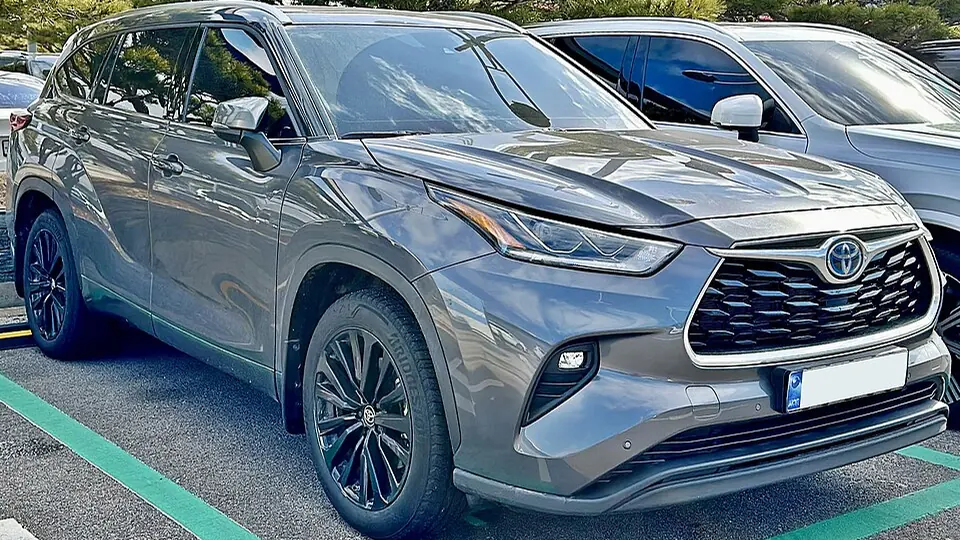
Specifications
| Body Style | Three-row midsize crossover SUV |
|---|---|
| Powertrain | 2.5-liter four-cylinder hybrid |
| Power | 243 hp combined |
| EPA Fuel Economy | About 35 mpg combined, depending on trim |
| Transmission | Electronically controlled CVT |
| Drivetrain | Electronic on-demand AWD |
| Seating | 7 or 8 |
| Cargo Volume | 16.0 / 48.4 / 84.3 cu ft by row and configuration |
| Maximum Towing | 3,500 lb when properly equipped |
| Starting MSRP | $46,820 before delivery |
Overview
The 2025 Highlander Hybrid makes most sense for households that want three rows for occasional use and spend the rest of the week driving an efficient two-row SUV. Toyota made electronic on-demand all-wheel drive standard across the 2025 U.S. hybrid lineup. That simplifies the shopping comparison because you no longer need to account for previous front-wheel-drive versions whose price and mileage figures can show up next to 2025 listings. Toyota also offered a Limited 25th Edition to mark the model's anniversary. A shopper with no interest in special colors or cabin details can concentrate on ordinary XLE, Limited and Platinum trims. This review is about the standard Highlander, the shorter sibling of the Grand Highlander.
Performance & Fuel Economy
The powertrain combines a 2.5-liter four-cylinder with electric drive and produces 243 combined horsepower. Toyota's electronically controlled continuously variable transmission uses a different layout from the conventional stepped automatics found in some rival hybrids. If you deal with short hills and traffic lights every day, the EPA estimate of around 35 mpg combined across the lineup is a stronger reason for choosing the hybrid than its ability to reach speed with three rows occupied. Toyota rates the hybrid to tow up to 3,500 pounds when properly equipped. That leaves it between urban crossovers that cannot support much of a trailer and heavier-duty alternatives. Account for cargo and trailer tongue weight before assigning a use to that rating.
Interior, Comfort & Technology
The published 16 cubic feet of cargo space behind the third row become 48.4 with that row down and up to 84.3 with both rear rows folded. Compare the number that matches how you drive. A buyer using seven or eight places for carpools ought to see how the backpacks fit with the seats raised. The XLE's equipment offers many everyday comforts without the highest pricing, while available captain's chairs create a path toward the back. For a family that wants an eighth seat, verify the bench configuration with the listing and see how a child seat affects access. Toyota's near-identical grade names for gasoline and hybrid vehicles can make equipment easy to misread in search results.
Safety & Driver Assistance
Toyota Safety Sense 2.5+ is part of the Highlander's equipment story and includes active features such as lane departure assistance and dynamic radar cruise control. A used-car buyer should check whether repairs or a windshield replacement affect the camera or its calibration. During a test drive, assess how easy it is to reach the distance setting on the steering wheel and whether the reversing camera view shows the margins of a garage door clearly enough. The Limited and Platinum deserve a look if parking-camera features or visibility upgrades matter more than wheels and trim details. Where a feature depends on a package or grade, verify it using the individual vehicle's equipment record.
Verdict: Who Should Buy It
Buy an XLE first if the priority is keeping a hybrid three-row vehicle in budget. It delivers the same basic powertrain and AWD proposition as the upper grades. The Limited adds value when the extra comfort or screen equipment is useful and priced reasonably. Cross-shop a Santa Fe Hybrid if space usage with the rear seats down drives the decision and make a separate visit to a larger three-row vehicle if adults will occupy the back frequently. The Highlander Hybrid makes a strong everyday case as an efficient family carrier with extra seating in the third row on demand. Its compromises are easiest to accept when the third row is a backup, the intended trailer is modest, and the second row sees the most use.
Pros and cons
Pros
- Standard AWD and consistent hybrid fuel economy
- Useful cargo room with the third row stowed
- Available seven- and eight-seat arrangements
Cons
- The third row is best suited to occasional use
- Gasoline Highlander has a higher towing limit
Trim levels and pricing
| Trim | U.S. MSRP | Key equipment |
|---|---|---|
| Hybrid XLE | $46,820 | Standard AWD along with a choice of seating configurations |
| Hybrid XLE Nightshade | $47,820 | XLE basis with darker exterior accents |
| Hybrid Limited | $51,275 | Upgraded cabin finishes and comfort equipment |
| Hybrid Platinum | $54,475 | Top-grade interior and parking technology |
Frequently asked questions
Is the 2025 Highlander Hybrid always AWD?
Yes. Toyota made electronic on-demand AWD standard across the U.S. 2025 hybrid lineup.
Can a Highlander Hybrid tow 5,000 pounds?
Toyota rates the 2025 Highlander Hybrid to tow up to 3,500 pounds when properly equipped. 5,000 pounds is for the relevant gasoline version.
Is it the same as the Grand Highlander Hybrid?
No. The Grand Highlander uses a larger body and its available powertrains and cargo measurements differ.