Electric / U.S. model
2025 Hyundai Ioniq 5 Review
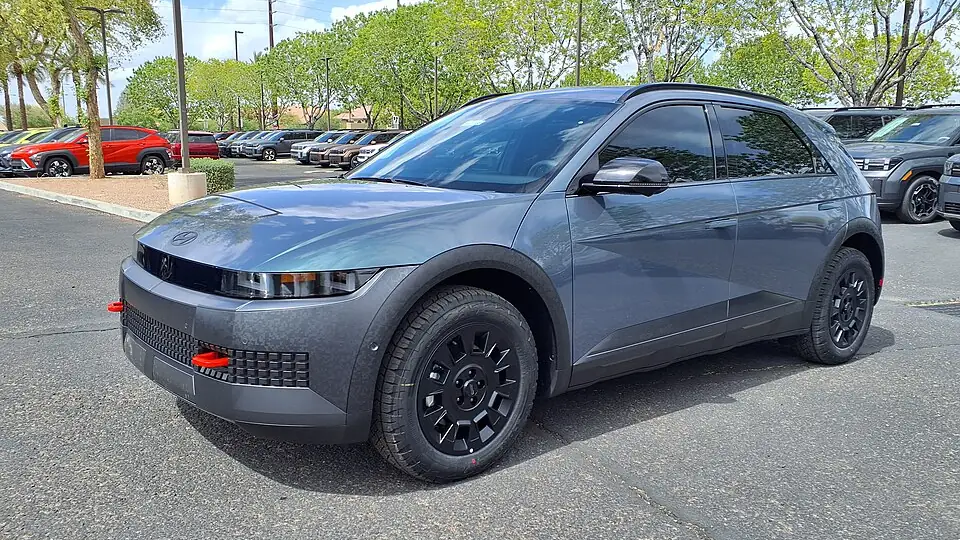
The 2025 Ioniq 5 adds longer-range batteries and a native Tesla-style charging inlet. The SEL RWD suits everyday driving, while the XRT trades range for trail-friendly equipment.
Specifications
| Body Style | Compact electric crossover SUV |
|---|---|
| Engine / Powertrain | 63-kWh or 84-kWh battery, single or dual motors |
| Horsepower | 168 hp Standard Range, 225 hp 84-kWh RWD, 320 hp AWD |
| Fuel Economy / Range | 245–318 miles EPA, depending on trim and drivetrain |
| Transmission | Single-speed reduction gear |
| Drivetrain | Rear-wheel drive or all-wheel drive |
| Seating | 5 |
| Cargo Space | 26.3 cu ft behind second row, 58.5 cu ft folded |
| Starting MSRP | $42,500 launch MSRP before destination |
A useful refresh for people who travel
The 2025 Ioniq 5 keeps the recognizable squared-off styling and open cabin of its predecessor and makes a handful of important changes for buyers. Hyundai increased battery sizes, installed a rear wiper and adopted a native NACS charging inlet on the regular U.S. lineup reviewed here. These are improvements a repeat owner can use. The bigger battery matters on day trips, the wiper helps in wet weather and the inlet opens additional charging options on certain networks. The new XRT adds a separate decision for drivers who see unpaved surfaces regularly. Its tires and increased ride height make it meaningfully different from the other trims, and the range estimate reflects some of the trade. The high-performance Ioniq 5 N is a separate model.
Working through the range figures
Hyundai's 63-kWh SE Standard Range uses a rear motor and is rated at 245 miles. The 84-kWh battery brings up to 318 EPA miles with rear-wheel drive, an increase that makes the larger battery worthwhile for drivers who regularly leave their local charging area. SE and SEL AWD are rated at 290 miles, Limited AWD at 269 and XRT AWD at 259. The motor choices span 168 horsepower in the Standard Range to 320 in the ordinary dual-motor AWD versions. For highway touring, the 225-horsepower large-battery rear-drive model has an appealing combination of output and range. If you want traction on wet or loose roads, compare the AWD tire configuration and EPA figure carefully before treating the different grades as equivalent.
Good passenger space from a long wheelbase
Inside, the flat floor and the distance between the front and rear axles give the crossover more usable passenger room than the shape might suggest from the sidewalk. The hatch takes cargo that would be awkward past a typical sedan opening. Hyundai lists 26.3 cubic feet of cargo room behind the second row, rising to 58.5 cubic feet folded. That is enough flexibility to set seating for school runs during the week and drop the row for errands on the weekend. The separate driver and central displays give basic driving information a home in front of the driver. Hyundai also revisited portions of the center console and controls for 2025. Check rear legroom with the front seats actually adjusted for the people who will drive.
Charging networks and driver assistance
The native NACS port works at compatible Tesla Superchargers, while the included CCS adapter gives access to high-voltage fast chargers on other networks. The difference is important because the usual plug shape does not guarantee the quickest session. Hyundai quotes around 20 minutes for 10 to 80 percent at a suitable 350-kW CCS station under favorable conditions, while its published V3 or V4 NACS estimate for the 84-kWh car is roughly 30 minutes. Charger output, battery temperature and initial charge affect the session. For road trips, map the networks that serve your routes and judge how often you can get an ideal charger. For ordinary driving, regular access to an overnight charge can be more consequential than a small difference in a fast-charge stop.
Hyundai includes forward collision avoidance and offers Highway Driving Assist 2 on the SEL, XRT and Limited. The highway system can help keep the car centered and manage following distance under suitable conditions. Verify exactly which version a used car includes, and try the steering wheel controls before setting expectations for highway trips.
Choose the setup that matches the route
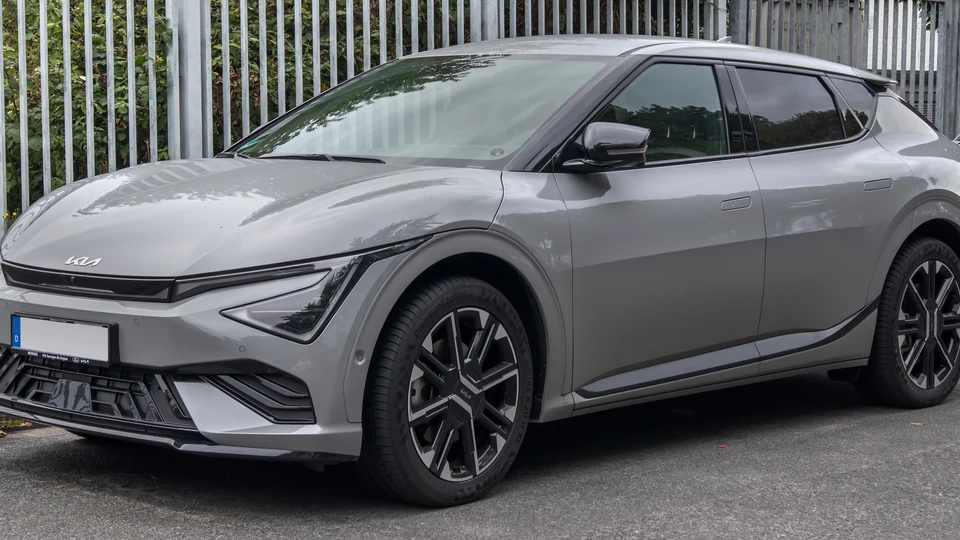
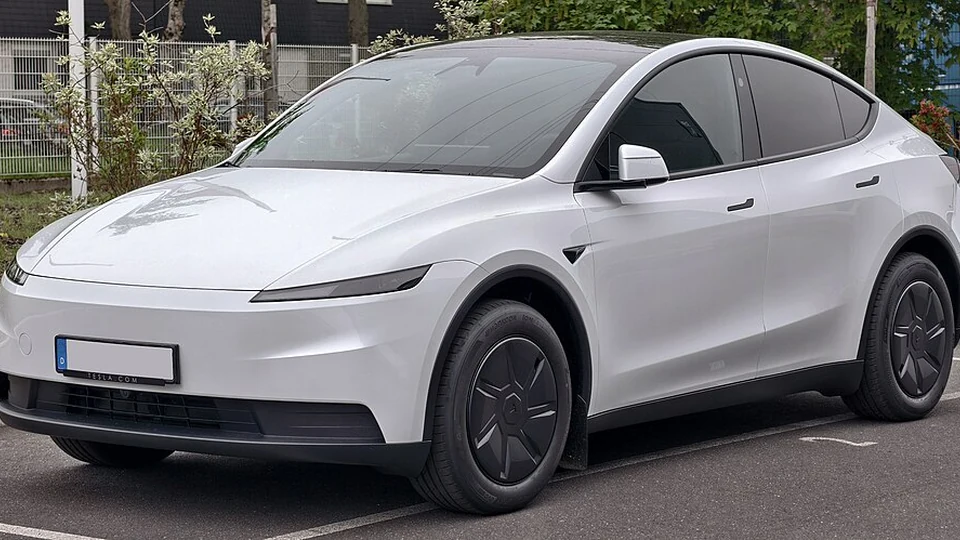
Start with an 84-kWh SE RWD if the extra range is more important than additional cabin and driver-assistance upgrades. The SEL RWD is an easy next trim to compare if you want more equipment and expect to keep the car for years. XRT is for the buyer who can make use of the different tires, terrain modes and extra clearance. It gives up useful EPA range for that ability, so an AWD SE or SEL can be a better everyday winter choice when the routine is paved roads. Compare compatible charge stops with a Model Y and consider the Kia EV6 if you like the Hyundai hardware but want a different driving position. The Ioniq 5's strongest case combines passenger space, an 84-kWh battery and more than one viable charging network.
Pros and cons
Pros
- Up to 318 miles EPA with the 84-kWh RWD configuration
- Native NACS port and included CCS adapter
- Usable second row and hatch opening
- Separate driver and infotainment displays
Cons
- XRT and upper AWD configurations lose range
- Compatible charge networks and speeds vary by station
- Long-battery models cost more than the entry trim
Trim levels and pricing
| Trim | U.S. MSRP | Key equipment |
|---|---|---|
| SE Standard Range RWD | $42,500 | 63-kWh battery and 245 miles EPA |
| SE RWD | $46,550 | 84-kWh battery, 225 hp and 318 miles EPA |
| SEL RWD | $49,500 | 84-kWh battery, more cabin equipment and 318 miles EPA |
| XRT AWD | $55,400 | All-terrain tires, elevated ride height and 259 miles EPA |
Frequently asked questions
Can the 2025 Ioniq 5 charge at Tesla Superchargers?
Yes, the U.S. versions covered here have a native NACS inlet and can use compatible Tesla Superchargers.
What is the longest EPA-rated Ioniq 5 range for 2025?
The 84-kWh rear-drive SE, SEL and Limited are EPA-rated at 318 miles.
Can an Ioniq 5 with NACS still use CCS chargers?
Yes. Hyundai included a CCS adapter for compatible fast chargers on the regular 2025 Ioniq 5.