Hybrids / U.S. model
2025 Hyundai Santa Fe Hybrid Review
The Santa Fe Hybrid makes room for six or seven passengers in a square-sided midsize SUV. Its best numbers arrive when you choose front-wheel drive and fold the third row.
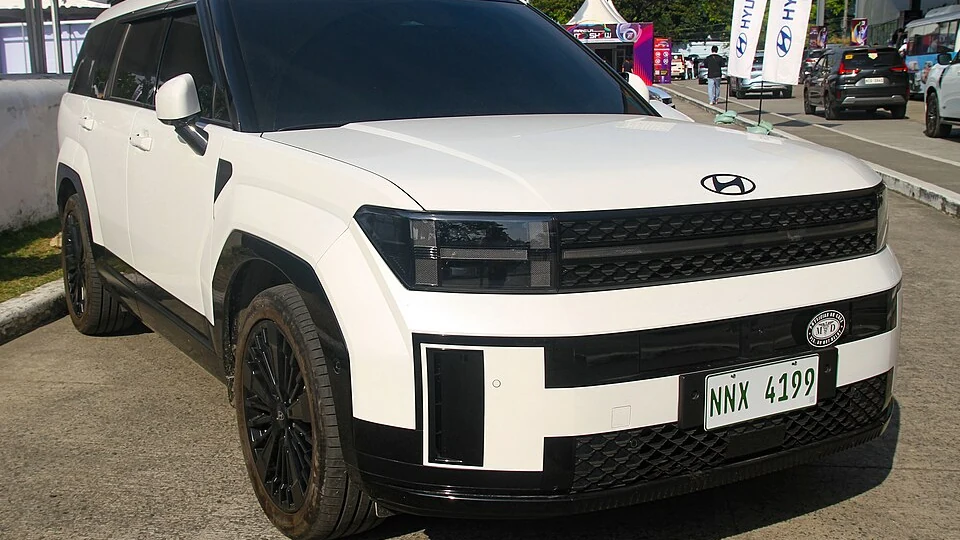
Specifications
| Body Style | Three-row midsize crossover SUV |
|---|---|
| Powertrain | 1.6-liter turbocharged four-cylinder hybrid |
| Power | 231 hp combined |
| EPA Fuel Economy | 36 mpg combined FWD / 34 mpg AWD |
| Transmission | 6-speed automatic |
| Drivetrain | FWD or AWD |
| Seating | 6 or 7 |
| Cargo Volume | 14.6 / 40.5 / 79.6 cu ft by row and configuration |
| Starting MSRP | $37,800 before freight |
Overview
Hyundai's boxy Santa Fe Hybrid has an appealing use case for families who need a third row periodically and want a less bulky vehicle than some dedicated three-row SUVs. The squared-off hatch helps when storing tall shopping bags and awkward boxes. All three hybrid grades share a 231-horsepower system and a six-speed automatic, so the difference between the affordable SEL and the expensive Calligraphy largely lies in seating and cabin equipment. The 2025 model also maintains the redesigned body introduced the previous year. Before buying, establish whether you need its third row every weekday or occasionally. That answer determines how often the rearmost seats will occupy the area you would otherwise use for cargo.
Performance & Fuel Economy
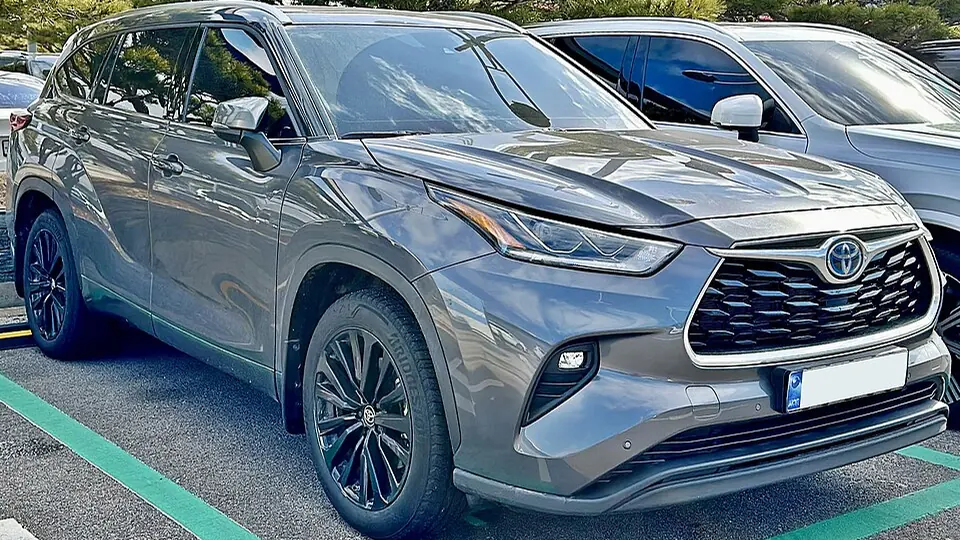
The 1.6-liter turbocharged four-cylinder works with an electric motor. In front-wheel-drive versions Hyundai reports EPA estimates of 36 mpg combined, compared with 34 mpg combined for all-wheel drive. For a family vehicle that spends weekdays in stop-and-go school traffic, the hybrid makes sense on fuel use alone when the purchase premium and ownership period align. Look at actual selling prices for comparable grades to judge the payback. The Santa Fe Hybrid's modest towing capacity makes it a better match for a utility trailer than a large camper. Buyers with a significant trailer should check the rating for the exact vehicle and consider a Highlander Hybrid or an appropriately equipped larger SUV.
Interior, Comfort & Technology
Hyundai provides 14.6 cubic feet behind the third row, 40.5 behind the second, and 79.6 with just the front seats up. The difference between the first two numbers explains why families see two different versions of the Santa Fe. With the rearmost seats in use, a stroller or several carry-on bags can test the footprint. Fold those seats and there is substantial floor area to work with. Examine the step into the third row and reach for its belt buckles during the test drive. Then compare the seven-seat cabin layout with the Calligraphy's six-seat captain's-chair arrangement. A gap between second-row seats makes climbing through easier, at the expense of a position for a seventh passenger.
Safety & Driver Assistance
The tall seating position provides a good view ahead. Visibility at the rear can change substantially once headrests are raised and passengers fill the third row. If you routinely back down a long, narrow driveway, check how much of it appears in the standard camera and decide whether the upper grades' additional camera views help. Hyundai's driver-assistance equipment varies by trim, so the original window sticker or equipment list is a more reliable reference than generic dealer copy. Use a short motorway stretch to see how adaptive cruise resumes speed and how the lane-assistance alerts sound. The 2025 model can serve different family routines, but its assistance settings are still something every regular driver should learn.
Verdict: Who Should Buy It
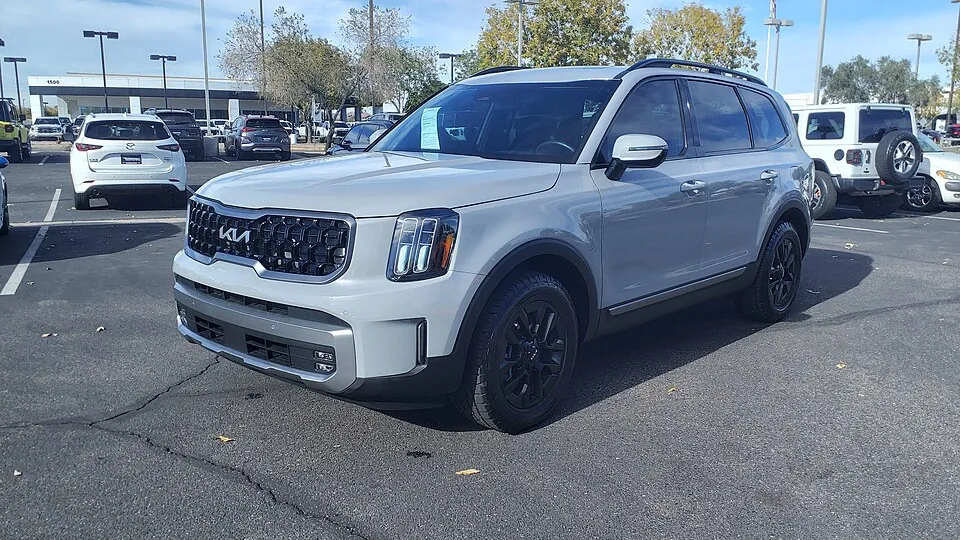
The SEL gets you the core hybrid economy and seating flexibility at the lowest price. The Limited merits consideration when parking aids and upgraded seats matter, especially in a household that uses the vehicle daily. Choose a Calligraphy only after checking that six seats will be enough for the lifespan of ownership. Families with more frequent adult passengers in the back should also sit in a Telluride, even if the Kia uses more fuel. If your third row is often folded and the vehicle mostly covers city miles, the Santa Fe Hybrid has a coherent blend of usable room and efficiency. The trim choice should come after the seating test, because the wrong layout is harder to live with than a missing convenience option.
Pros and cons
Pros
- 36 mpg combined with front-wheel drive
- Flexible three-row interior
- All trims offer a choice of front- or all-wheel drive
Cons
- Modest cargo space with every seat raised
- Lower towing rating than the gasoline version
Trim levels and pricing
| Trim | U.S. MSRP | Key equipment |
|---|---|---|
| SEL FWD | $37,800 | Entry hybrid with seven-seat layout |
| Limited FWD | $44,700 | Upgraded comfort, parking features and cabin equipment |
| Calligraphy FWD | $47,850 | Six-seat layout with second-row captain's chairs |
| Calligraphy AWD | $49,650 | Flagship interior with HTRAC all-wheel drive |
Frequently asked questions
How many people fit in the Santa Fe Hybrid?
The 2025 SEL and Limited seat seven. The Calligraphy seats six with captain's chairs.
How large is the trunk behind the third row?
Hyundai lists 14.6 cubic feet with the third row in use.
Is AWD available on every hybrid trim?
Yes. U.S. SEL, Limited and Calligraphy buyers could select either front- or all-wheel drive.