Electric / U.S. model
2025 Rivian R1S Review
The second-generation Rivian R1S packs three rows and substantial cargo space into an electric SUV. The longest-range dual-motor model offers a different value proposition from the faster Tri-Motor.
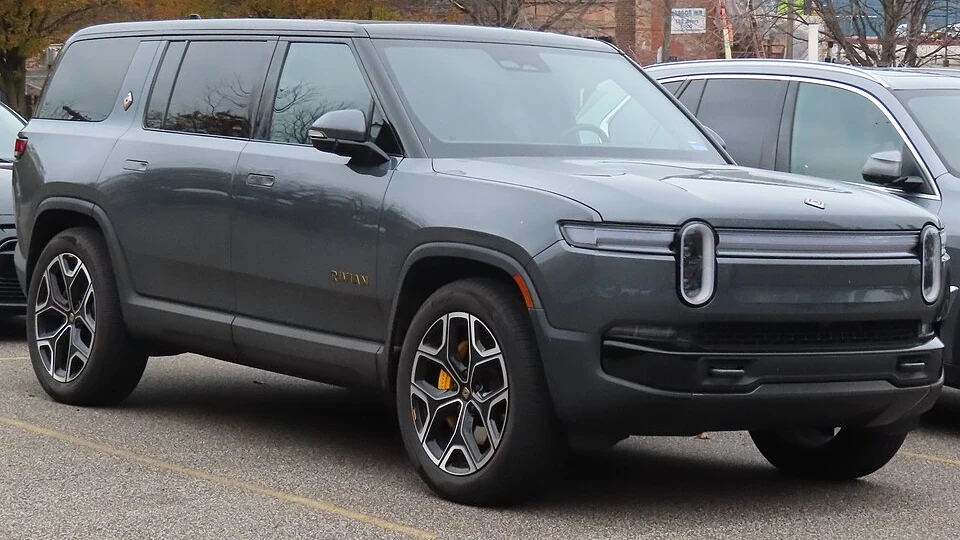
Specifications
| Body Style | Three-row electric SUV |
|---|---|
| Powertrain | Dual-motor or tri-motor electric configurations shown |
| Horsepower | 533 hp Dual-Motor; 850 hp Tri-Motor |
| EPA Range | Up to 410 miles, Dual-Motor Max Pack |
| Transmission | Single-speed reduction gear |
| Drivetrain | AWD |
| Seating | 7 |
| Cargo Space | About 17.6 cu ft behind the third row |
| Maximum Towing | Up to 7,700 lb with required equipment |
| Starting MSRP | $75,900 |
Overview
The 2025 R1S is a second-generation Rivian beneath bodywork that looks familiar. Its purpose is unusual enough to define the shopping decision: three rows, substantial cargo capacity and the hardware for driving away from pavement, all without a gas engine. A household that would keep all seven seats occupied most weekends will use more of what this vehicle offers than a solo commuter who simply likes its shape.
The entry Adventure Dual Standard originally started at $75,900. Stepping up to the Max battery raises the purchase price more than adding a typical equipment package, but it directly addresses a route with sparse fast chargers. The Ascend Tri-Motor puts its premium toward performance and appointments. Start by asking which battery fits your farthest repeated drive instead of sorting choices by horsepower.
Performance and Charging
Dual-Motor versions are already rated at 533 hp in standard form. The Ascend Tri-Motor moves to 850 hp. Most families will feel a more meaningful difference in the range labels. The Dual-Motor Max can earn 410 miles, and a published 371-mile estimate applies to a Tri-Motor configuration. Wheels, tires and the selected drivetrain matter, so use the label for the specific car rather than an advertisement for the platform.
Rivian's model-year owner guide allows up to 7,700 pounds of towing with a weight-distributing hitch. It gives a lower limit with a standard hitch. Electrified towing also changes stop planning because an enclosed trailer adds aerodynamic load and some charging stalls are awkward to approach with a trailer attached. Read the guide and check charger layout on a route you would tow regularly.
Interior and Technology
The R1S can carry seven, but an occupied third row leaves roughly 17.6 cubic feet of rear cargo volume. The front trunk is meaningful here: charging supplies or overnight bags can go up front while the rear is reserved for the contents you need first. With seats folded, the long cargo floor is more accommodating to bulky loads, and the split rear opening gives you a place to stage gear.
Rivian's own software controls the driving experience and supports over-the-air updates. People accustomed to taking their phone interface from car to car should try the native navigation, voice functions and audio sources before making a choice. With child seats fitted, try getting into row three and opening the rear in a garage. The measurements on a spec sheet cannot capture those repeated errands.
Safety and Driver Assistance
The second generation adds updated cameras and computing for Rivian's driver assistance platform. Confirm what functions the specific vehicle has and which require ongoing service or newer software. Driving assistance is supervised and conditional, so judge it in the context of your local lane markings and the sort of lane changes you make, rather than a feature label in an inventory listing.
A large, powerful SUV needs an everyday plan for low-speed visibility too. Check the camera coverage when backing around a high curb and see whether the split tailgate works where you park. If a second set of wheels is on your list, match the tire load ratings and use the vehicle documentation to understand how that choice affects its road manners and range.
Verdict: Who Should Buy It
An Adventure Dual Large is the middle choice for a family that wants a well-equipped seven-seater but rarely needs maximum highway range. Max is defensible when the added margin reduces frequent stops or gives you space to detour. The Tri-Motor is a separate luxury and performance purchase. Strong acceleration occupies a much smaller share of the ownership experience than seating, local service and charging.
The R1S deserves a shortlist slot if you need enclosed three-row practicality, AWD and electric propulsion in the same vehicle. Check where maintenance is handled, where the home charger will go and how often you will carry cargo with every seat up. A buyer who rarely uses the third row can get a simpler charging and parking experience from a smaller EV crossover.
Pros and cons
Pros
- Three rows and distinct front and rear cargo spaces
- Dual-Motor Max reaches up to 410 EPA miles
- Substantial tow capacity with correct equipment
Cons
- Expensive battery and motor upgrades
- Third-row passengers reduce rear cargo space
- Large footprint complicates tight parking
Trim levels and pricing
| Trim | U.S. MSRP | Key equipment |
|---|---|---|
| Adventure Dual-Motor Standard | $75,900 | Seven seats, AWD and the smallest battery |
| Adventure Dual-Motor Large | $82,900 | Larger battery without the Max Pack premium |
| Adventure Dual-Motor Max | $89,900 | Up to 410 miles of EPA range with the applicable configuration |
| Ascend Tri-Motor Max | $105,900 | 850 hp and upgraded interior appointments |
Frequently asked questions
Which 2025 R1S has the longest range?
The Dual-Motor version with Max Pack reaches a 410-mile EPA rating in the applicable configuration.
Does the R1S have three rows?
Yes. The 2025 R1S seats up to seven across three rows.
Can it tow 7,700 pounds on any hitch?
Rivian lists that maximum with a weight-distributing hitch and rates a standard hitch lower. Check the owner guide and vehicle labels.