Trucks / U.S. model
2025 Ford Ranger Review
The Ranger uses a four-door SuperCrew cab and a five-foot box across its U.S. range. Pick the engine and chassis configuration for how you will actually use it.
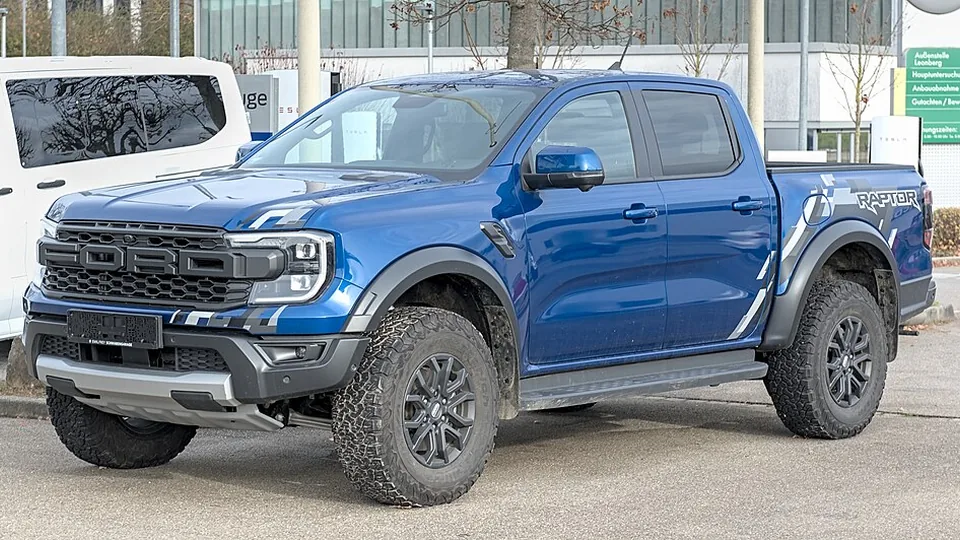
Specifications
| Body Style | Midsize pickup |
|---|---|
| Powertrain | 2.3L turbo four / 2.7L turbo V6 / 3.0L Raptor turbo V6 |
| Power | 270 / 315 / 405 hp by engine |
| EPA Fuel Economy | 23 mpg combined for 2.3L 2WD |
| Transmission | 10-speed automatic |
| Drivetrain | RWD or 4WD by configuration |
| Seating | 5 |
| Bed Size | 5 feet / 43.5 cu ft |
| Maximum Towing | 7,500 lb (mainstream) / 5,510 lb (Raptor), properly equipped |
| Starting MSRP | $33,350 before destination |
Overview
The 2025 Ranger is a midsize pickup for buyers who want a four-door cab and a usable bed without moving to an F-150. Ford's U.S. lineup is straightforward on cab and bed: the SuperCrew has four doors and pairs with a five-foot box. The choices that do move the needle are the engine, drivetrain and trim. An XL with rear-wheel drive can serve ordinary home or light trade work. An XLT or Lariat has a different equipment emphasis, and the Raptor is a specialized off-road truck. Do not assume that the highest output is the answer to every work or towing need. The Raptor's extra performance coincides with a lower rated trailer limit than the mainstream Ranger's maximum.
Performance & Fuel Economy
A turbocharged 2.3-liter four-cylinder produces 270 horsepower, and Ford offers a 315-horsepower 2.7-liter EcoBoost V6 on selected models. The Ranger Raptor gets a 405-horsepower 3.0-liter turbocharged V6. Ranger engines use a ten-speed automatic. A 2.3-liter rear-wheel-drive Ranger is EPA rated at 23 mpg combined, a number that should not be applied to V6 or four-wheel-drive configurations. In Ford's guide, appropriately equipped mainstream Rangers can tow up to 7,500 pounds, while the Raptor is rated up to 5,510 pounds. A midsize truck can be easier to place on a narrow highway, though it still needs enough payload reserve to carry passengers and trailer tongue weight at the same time.
Interior, Comfort & Technology
Ford lists 43.5 cubic feet of cargo capacity in the standard Ranger box. The space is enough for a meaningful load of weekend equipment, but a person who regularly transports long materials should measure them before buying. A full-size truck or a Tacoma with a longer bed may allow those items to sit flatter. In the cabin, check rear-seat fit behind the normal driving position, particularly if a rear-facing seat or tall passenger will be in the truck most days. The lower running and parking burden of a midsize truck matters if you still have the room you need. If your gear frequently outgrows the box, its easier footprint will be less persuasive.
Safety & Driver Assistance
Drive the truck in an alley or older parking structure if that is where it will spend its time. There is a helpful difference between a truck's dimensions on paper and seeing how the tailgate moves relative to a wall or the turning circle around a pillar. Buyers who plan to tow regularly should check the available camera and trailer technology against an original order guide or window sticker. Assistance availability differs between grade and options. Raptor buyers have a separate question about road behavior on the tires supplied with the vehicle. Try it at neighborhood and highway speeds as well as looking at its off-road equipment. Tires and ride priorities affect every mile.
Verdict: Who Should Buy It
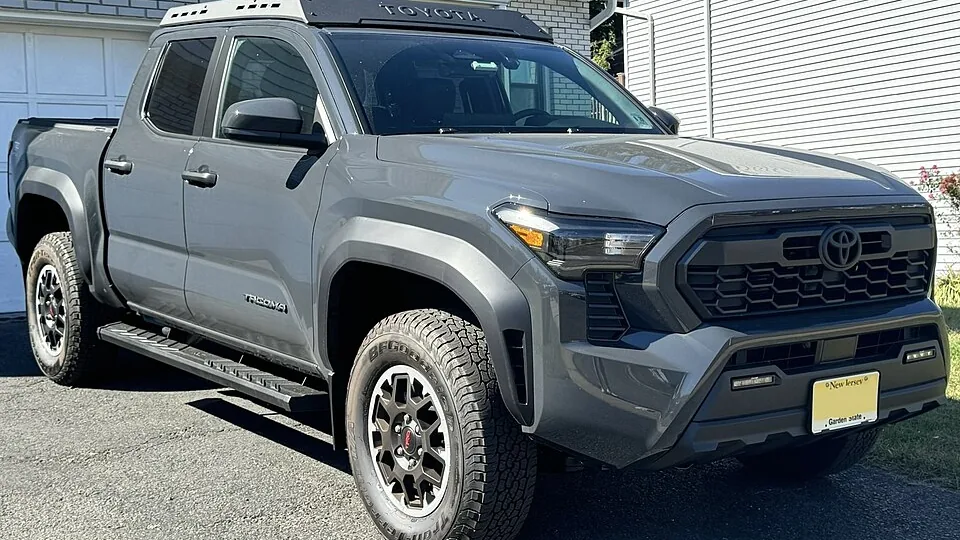
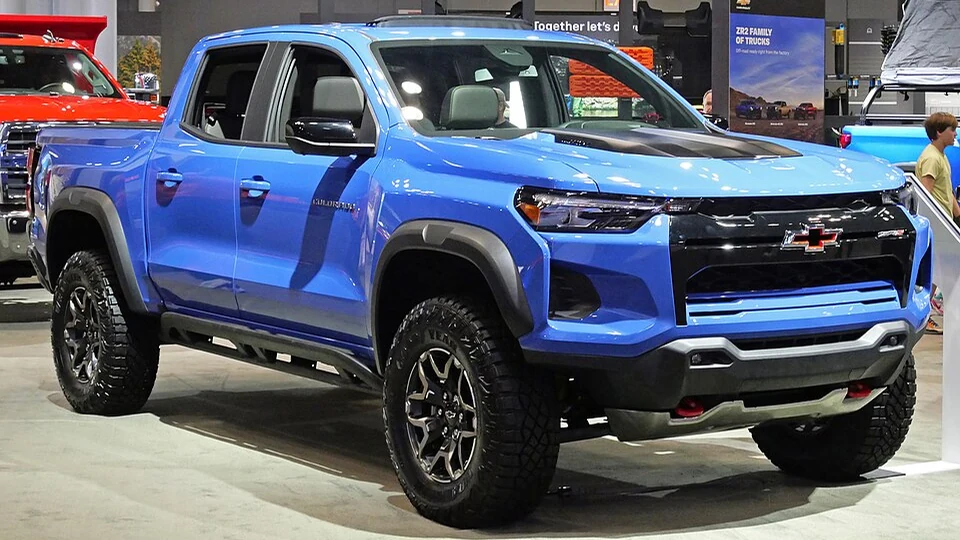
The XLT is a practical reference when comparing a four-door Ranger against the Tacoma and Colorado. It gives you a mid-grade basis for seeing whether you need more pull from the available V6 or merely want a few more cabin features. Consider the XL if budget and function are the priority. The Raptor comes into its own if you want a dedicated off-road setup and have enough remaining tow capacity for the trailer you actually own. Shoppers who keep a heavily loaded trailer attached a good part of the week should look at a full-size pickup as well. The Ranger's advantage is most visible when the four-door cab and short bed are enough.
Pros and cons
Pros
- Four-door cab across the range
- Competitive 7,500-pound maximum tow rating
- Optional V6 gives selected trims a power upgrade
Cons
- Five-foot bed is the only U.S. box length
- Raptor gives up some towing capacity
Trim levels and pricing
| Trim | U.S. MSRP | Key equipment |
|---|---|---|
| XL 2WD | $33,350 | Entry SuperCrew with the 2.3-liter turbo engine |
| XLT 2WD | $36,850 | Midrange features and crew-cab practicality |
| Lariat 2WD | $43,755 | Upgraded cabin and convenience equipment |
| Raptor 4WD | $56,070 | 405-horsepower 3.0-liter V6 and off-road tuning |
Frequently asked questions
Can a 2025 Ranger tow 7,500 pounds?
Appropriately equipped mainstream Rangers can. Ford rates the Ranger Raptor up to 5,510 pounds.
What is the longest bed offered?
Ford paired U.S. 2025 SuperCrew Rangers with a five-foot box.
Is the 2.7-liter V6 the Raptor engine?
No. The optional 2.7-liter EcoBoost makes 315 horsepower. The Raptor uses a 405-horsepower 3.0-liter engine.