Buying guide
AWD Vehicles to Consider for Winter Driving
All-wheel drive can help you move on a slick surface. Tires, visibility, and the roads you actually drive should guide the rest of the decision.
Start with your local roads
A plowed city commute, a steep drive, and an unplowed country road place different demands on a vehicle. Make a note of where you struggle today: launching uphill, seeing around a roadside snow bank, fitting chains when required, or getting through deep ruts after a storm. That distinguishes features you will use from equipment you will rarely touch.
More driven wheels can help a car pull away when grip varies across the pavement. Braking and turning still depend on the grip available at the tires. Before comparing AWD systems, price suitable winter tires in the exact wheel size you plan to buy and check the owner's manual for restrictions on chains or other traction devices.
Shortlist a configuration, then a model
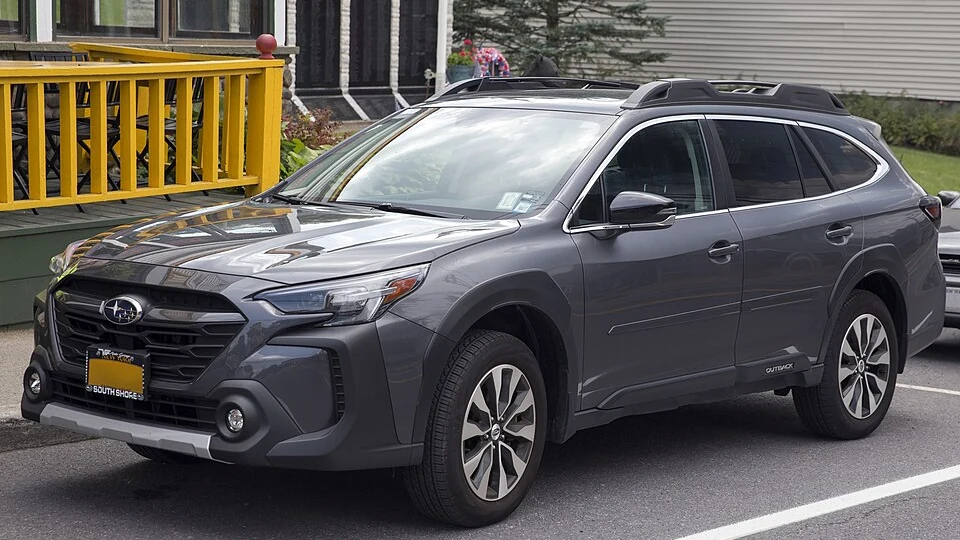
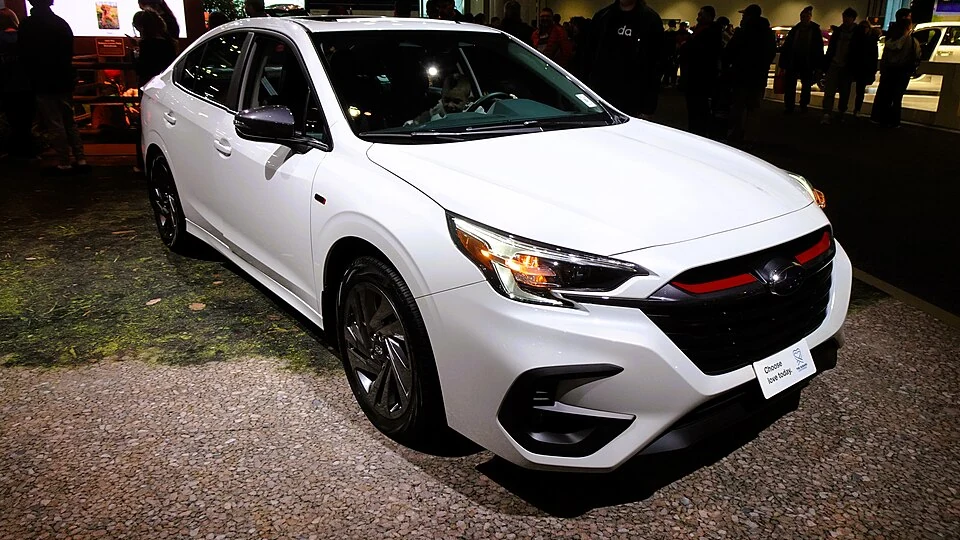
The Subaru Outback suits drivers who regularly carry gear on roads that may stay snowy after the main routes are cleared. Its wagon profile is worth trying if you want an easier lift into the cargo bay. The Legacy is a sensible contrast if the roads are usually cleared and a secure sedan trunk meets your needs.
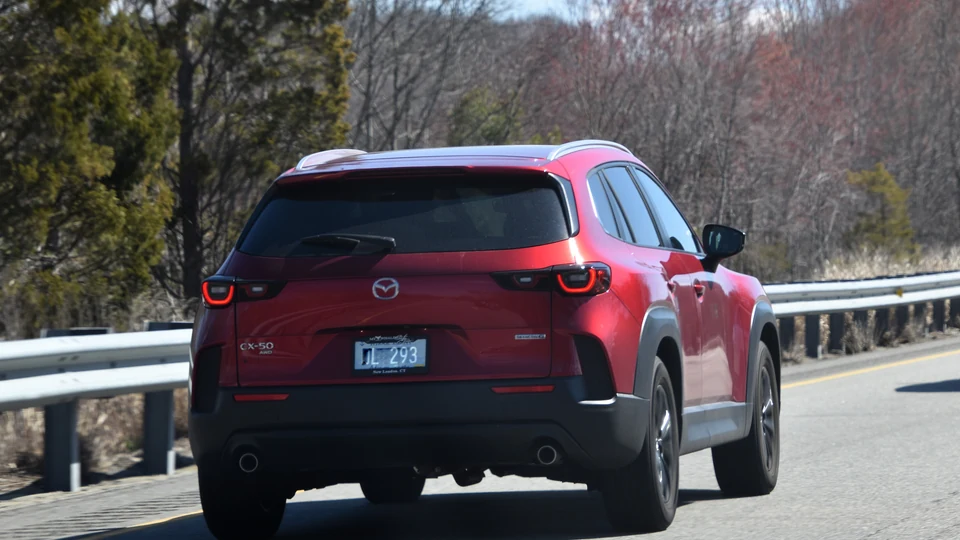
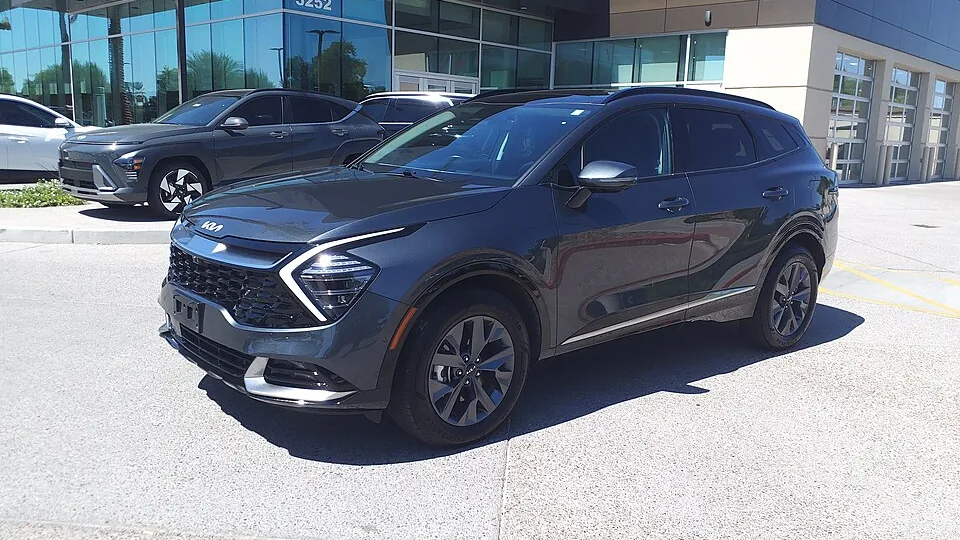
The Mazda CX-50 is an alternative with a broad stance and a strong emphasis on everyday steering feel. Verify the wheel size on the actual car, since trim-specific wheel and tire choices affect replacement cost. The Sportage Hybrid with AWD belongs on the list if your winter travel also includes substantial town mileage. Verify the drivetrain on the window sticker, especially if you compare multiple model years.
Check winter usability in person
Sit down while wearing your usual winter coat. See how the rear window clears in the mirror, whether you can reach the defrost and heated-mirror controls with gloves, and where the washer fluid fill sits. Check how the roof and windshield can be cleared of snow, particularly if a roof box or rack is part of your setup.
Look for a spare or tire repair kit and check what is actually stored under the cargo floor. Ask how much a replacement tire costs and what the manufacturer requires when one tire is damaged on an AWD vehicle. Keep a record of tire pressures from the door-jamb label so you can check them when temperatures drop.
Plan for the days you should stay parked
Read local travel advisories before a storm. NHTSA advises extra following distance and driving at a speed appropriate for conditions. Clear snow and ice from the vehicle before leaving, keep enough fuel or charge for a delay, and take a charged phone and season-appropriate supplies. If authorities advise against travel, leave the trip for another day.