Buying guide
Compact SUVs with the Best Cargo Space
The largest published cargo figure may belong to a different configuration than the one at the dealership. Check the space you can use with the rear seats occupied.
Start with the seats in use
A folded-seat capacity is useful if you routinely transport flat-pack furniture. For groceries, strollers, or airport pickups, start with the rear seats upright. Confirm where the manufacturer measures to, whether the figure includes storage under the floor, and which trim or powertrain it refers to. Published volume can hide differences in floor width and hatch shape.
Think about which dimensions matter most. A wide crate can stop at the wheel wells. A taller cabinet can fit behind the seats and still prevent the liftgate from closing. A long box can be easier to load through a broad hatch opening even if the advertised volume is smaller.
Check how trim changes the space
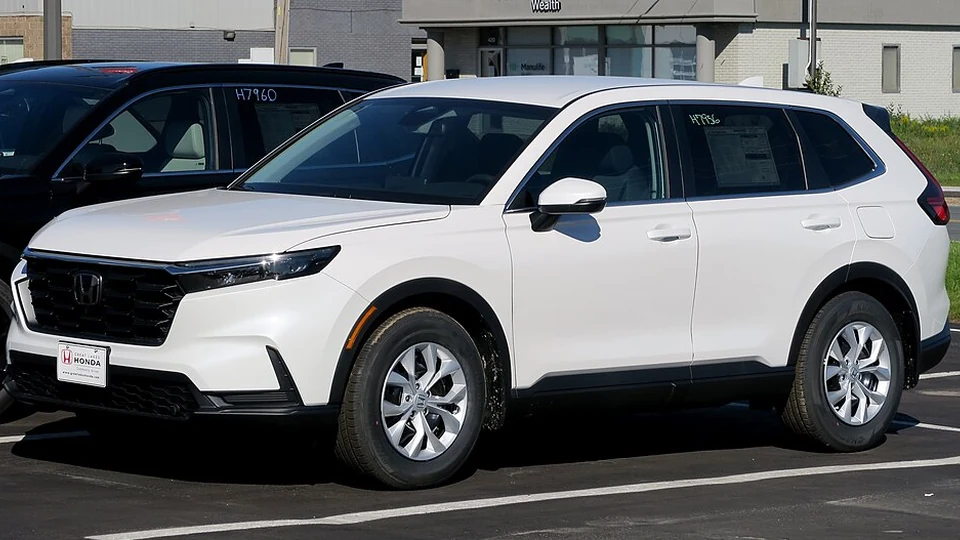
Honda lists 39.3 cubic feet behind the second row for several 2025 CR-V trims and 34.7 for the Sport Touring Hybrid. Several other trims sit between those values. This is why the seat-up number on the specific car's specifications matters more than the model's most generous advertised figure.
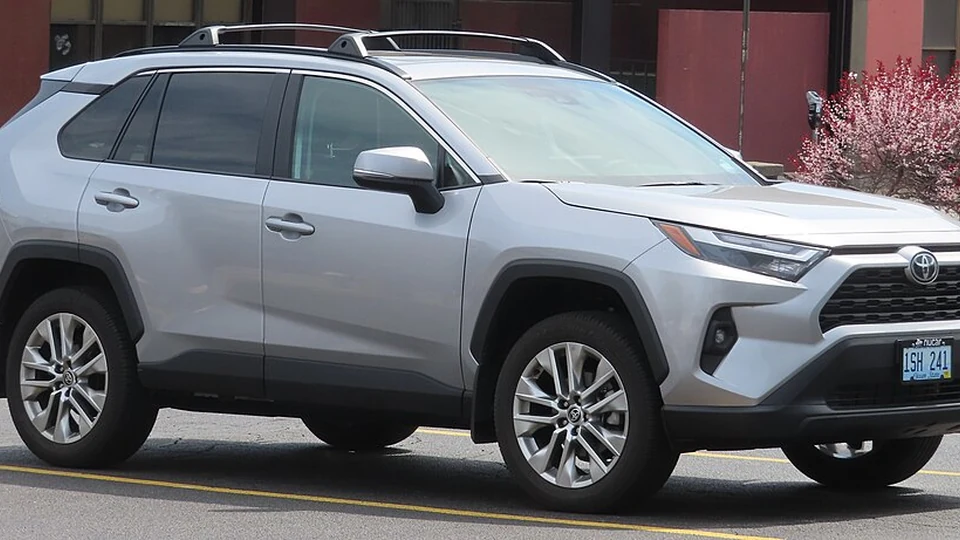
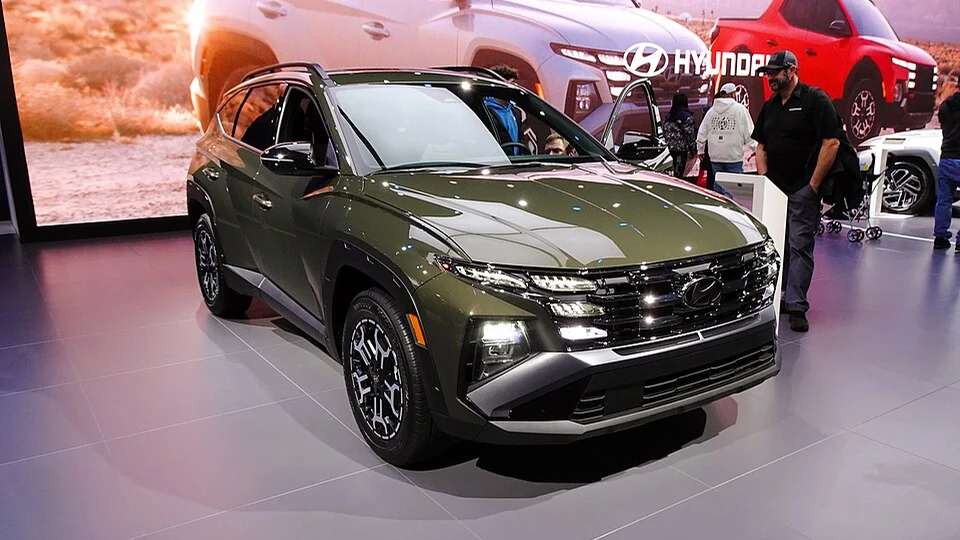
The RAV4 is a good benchmark alongside the CR-V. Compare interior width at the wheel wells and whether the load floor lines up with the folded seatbacks. When the Tucson is on your list, compare gasoline and hybrid configurations separately. Ask whether a spare, audio equipment, or other hardware occupies space beneath the rear floor.
Look at shape and lifting height
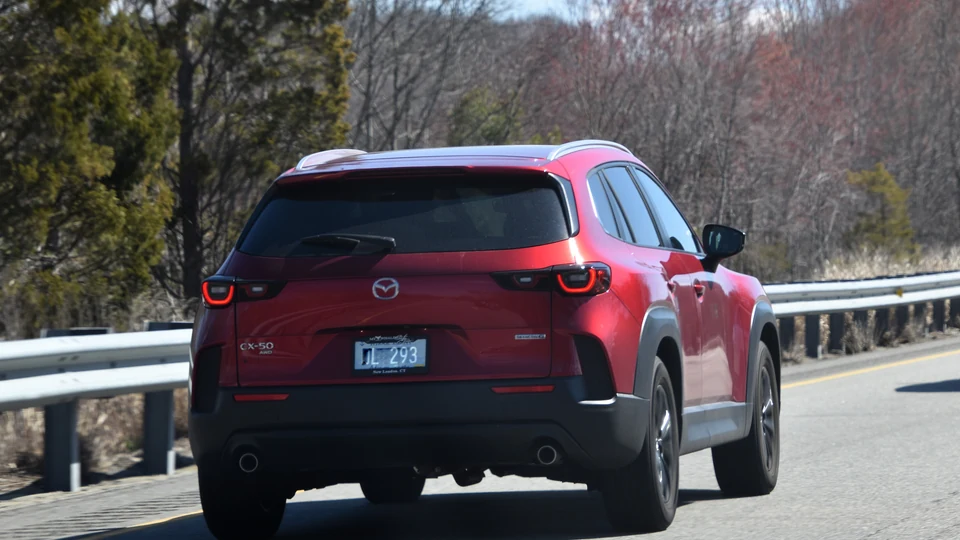
Try a lower-set SUV such as the CX-50 if you sometimes lift bikes or home improvement supplies into the back by yourself. Check how the bumper and load floor are positioned relative to where you stand. A tall bumper lip can be awkward when sliding in a heavy item, even if the opening is wide enough.
Look at the angle of the rear glass, especially if you carry a dog crate with the seats raised. Fit the cargo cover in its intended position and see how much useful height is left. Check that the cargo tie-downs remain accessible once your biggest item is loaded.
Bring one object you actually carry
Take your stroller, travel case, or a cardboard template and load it with the rear seats set at their normal recline. Position the front seats as they would be on a long trip. Close the hatch slowly to verify clearance and see what space remains for smaller items around the load.
If you often need space for both a passenger and a long item, fold just one side of the rear seat and inspect the path from the hatch to the front seats. Measure the results. That gives you a useful comparison across the exact trims you are deciding between.