Buying guide
How to Choose Between a Hybrid and an Electric Car
Your parking space may settle the powertrain question before a test drive. Start with a normal week behind the wheel, then check the trips that stretch it.
Decide where the car will charge
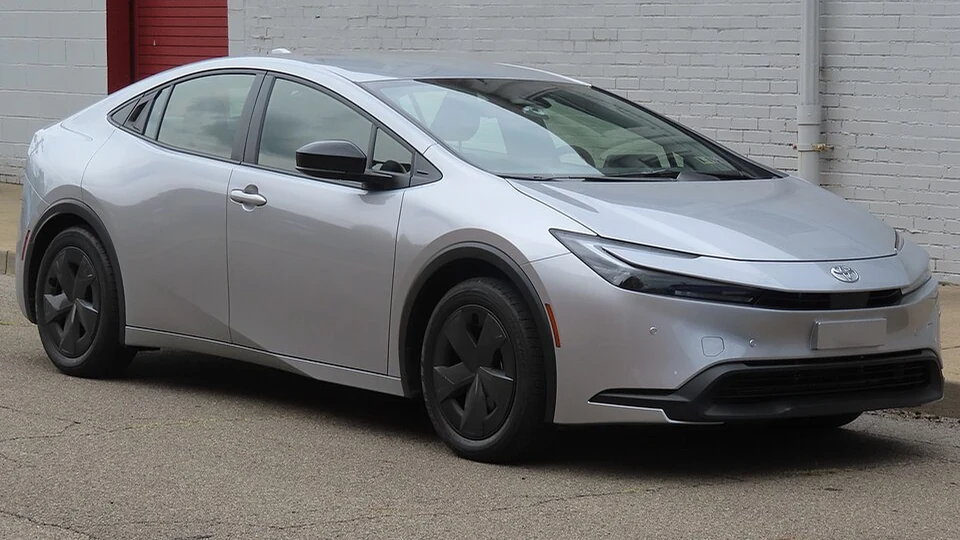
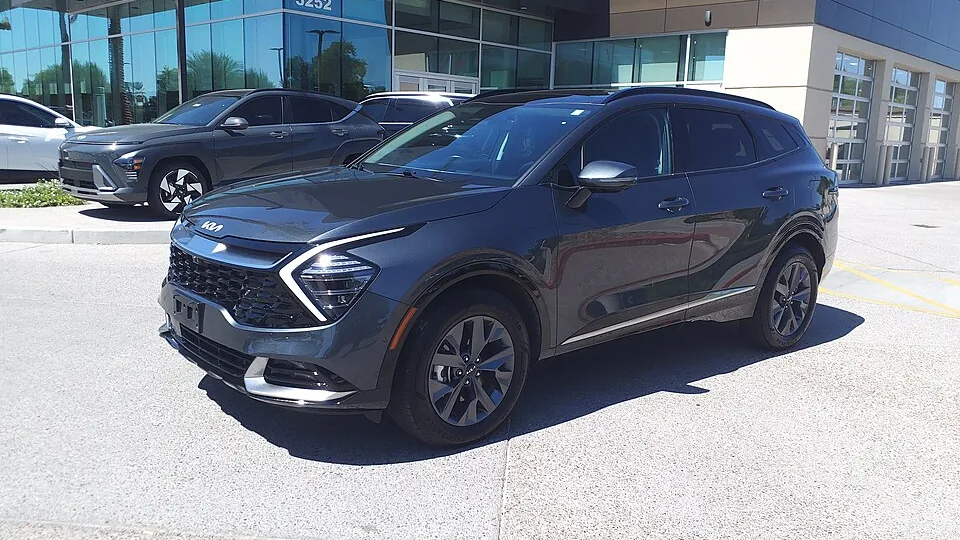
An ordinary hybrid uses gasoline and a small battery that the car replenishes while driving and braking. You park it, walk away, and refuel when the tank runs low. That routine makes cars such as the Prius or Sportage Hybrid straightforward if you park on the street, move between apartments, or share a driveway.
A battery-electric vehicle runs on stored electricity. The easiest ownership setup is a dependable place to plug in during hours you would already be parked. If a building advertises chargers, find out how many residents share them, how they are billed, and whether you can count on one overnight. A convenient charger at work can also cover a predictable commute.
Do the math with the rates you actually pay
For a gas car, divide your annual miles by a realistic miles-per-gallon figure and multiply by the price of a gallon. For an EV, divide miles by 100 and multiply by the label's kilowatt-hours per 100 miles and your electricity rate. Calculate home and public charging separately if you expect to use both. Account for charging losses only when they are absent from the consumption figure you started with.
Then compare purchase prices, insurance quotes, fuel and electricity, and any charging installation costs over the same ownership period. A monthly payment alone can conceal a longer loan or a different down payment. Keep trade-in value out of the comparison until you have equivalent offers.
Map the longest trips you actually make
Plot a drive you make several times a year. Check the charger locations along the route, including a backup at each planned stop, and look up the plug types your chosen trim can use. Winter highway speeds, cabin heat, and carrying gear can all change how often you stop. Compare the stops with where you already break for food or a restroom.
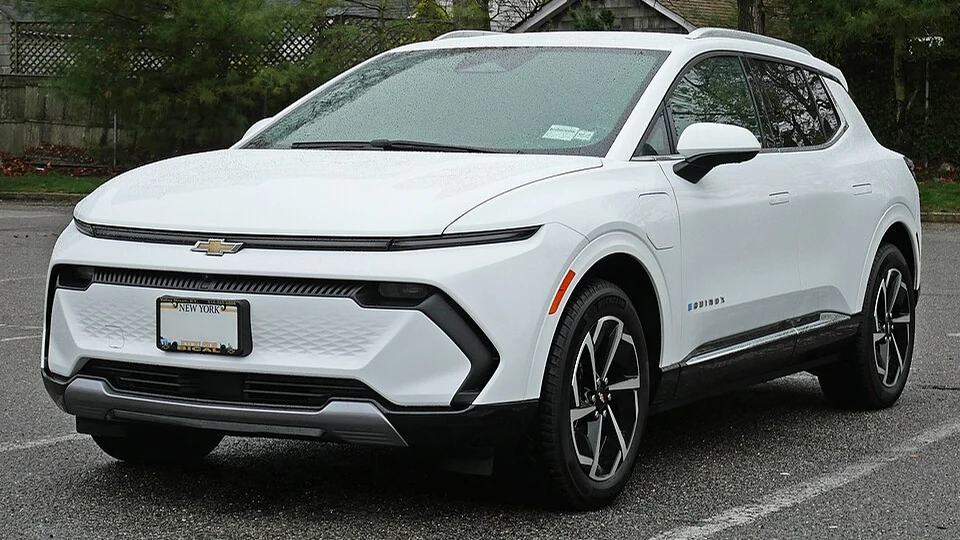
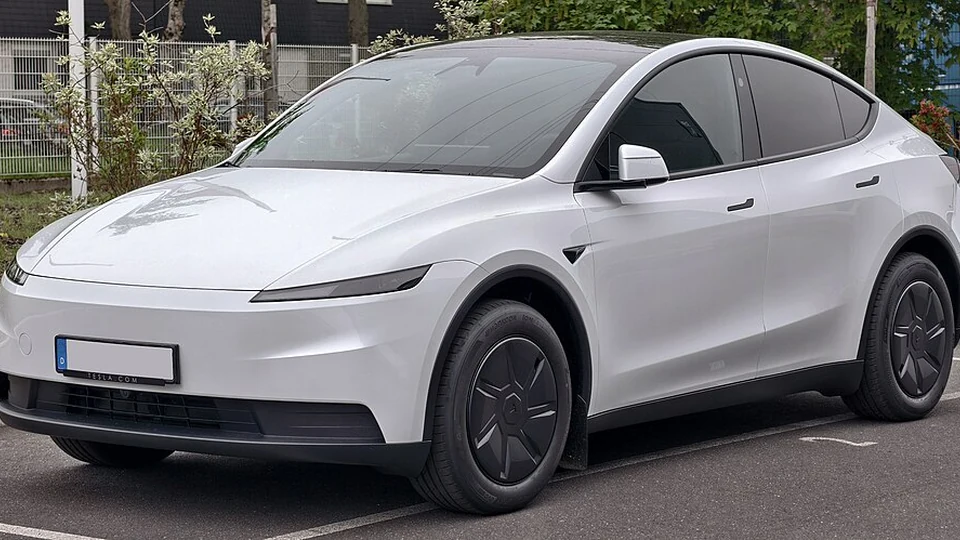
Compare EVs such as the Equinox EV and Model Y by the exact wheel, battery, and drivetrain configuration. The advertised maximum often belongs to a particular version. Charging speed also changes through a session, so a maximum kilowatt rating is only one part of the picture.
Consider a plug-in hybrid if you can plug in regularly
A plug-in hybrid can run a short daily circuit on electricity while keeping gasoline available for a longer drive. Its usefulness depends heavily on how often it is charged and how much of your routine fits the electric range. If your longest daily journey is substantially longer than that range, compare how the car performs once the electric portion is used.
Bring your regular route and a week of mileage to the dealership. Ask to try the exact drivetrain you plan to buy, then price it against one equivalent conventional hybrid and one EV. You will learn more from that short list than from a generic ranking.